
Coprosma parviflora
Coprosma parviflora
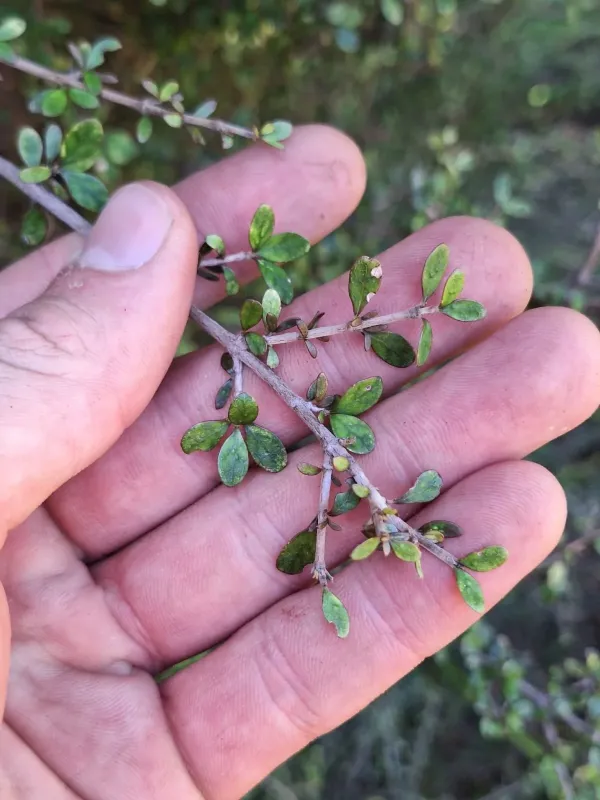
Description
Growing requirements
Coprosma parviflora is an evergreen shrub belonging to the Rubiaceae family. It is recognized for its dense, twiggy habit and small, leathery leaves that provide a distinct textural element in the landscape.
Native to New Zealand, this species naturally thrives in diverse environments, ranging from coastal areas to cool, mountainous forests. It is cultivated primarily in temperate zones as an ornamental plant.
The plant requires well-draining, nutrient-rich soil with a slightly acidic to neutral pH level. It does not tolerate waterlogging, as the roots are sensitive to anaerobic conditions in the soil.
Climate requirements for optimal growth include high humidity and protection from severe frosts. It prefers a mild environment where the temperature fluctuations are not extreme throughout the seasons.
Maintenance involves regular watering during dry spells and periodic pruning. Trimming helps to manage the shrub's shape and encourages denser foliage development in younger specimens.
Main diseases and pests
The plant is occasionally susceptible to pests such as mealybugs and scale insects. Regular inspection is recommended, especially in sheltered areas where airflow might be limited.
Fungal pathogens may occur if the planting site lacks proper drainage. To mitigate these risks, ensure appropriate spacing between plants and avoid overhead watering that keeps foliage wet for too long.
Harvesting
The primary use of this culture is ornamental, commonly utilized in landscape architecture for hedges, borders, or container gardening where its fine foliage can be showcased.