
Coprosma australis
Coprosma australis
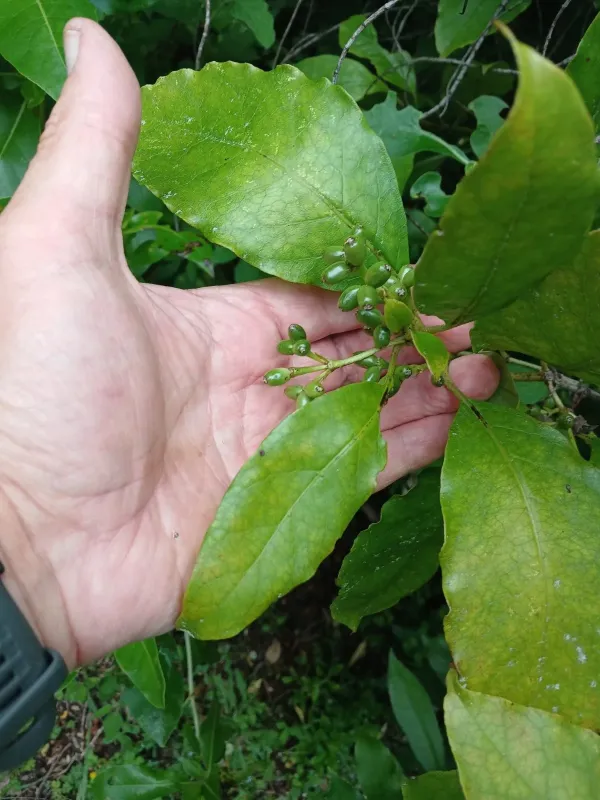
Description
Growing requirements
Coprosma australis is a prominent member of the Rubiaceae family, native to the forests of New Zealand. This evergreen shrub is highly valued for its dense, glossy foliage and is typically found in shaded or semi-shaded natural habitats.
The cultivation of this crop requires well-drained, nutrient-rich soil. It thrives best in environments where the soil moisture is consistent but never waterlogged, necessitating careful attention to drainage during the establishment phase.
Regarding climate, the plant prefers temperate conditions with high humidity levels. It is not frost-hardy and should be kept in protected environments or greenhouse conditions if the local winter temperatures drop below freezing.
Standard agronomic practices involve regular maintenance of the soil structure and pH balance. Ensuring a slightly acidic to neutral pH promotes optimal nutrient uptake, which is essential for the vibrant appearance of its leaves.
Strategic pruning is necessary to maintain the desired shape and size of the plant. Removing dead or diseased branches annually improves airflow through the crown, which is vital for preventing the onset of humidity-related issues.
Main diseases and pests
Mealybugs are a significant pest for Coprosma species, often settling in leaf axils where they are hard to reach. Regular monitoring and the application of horticultural oils are the primary methods of control.
Scale insects present a continuous challenge, attaching themselves to stems and foliage. Their presence can severely weaken the plant by sap extraction, so early intervention with systemic insecticides is recommended.
Fungal diseases, including leaf spots and root rots, are common when the plant is kept in poor ventilation or overly wet soil. Maintaining good spacing between plants is a crucial preventive measure.
Aphids tend to attack the tender new growth during the spring season. A simple water spray or mild soap solution can often manage small infestations without the need for heavy chemical intervention.
Root system health is paramount; therefore, avoiding over-fertilization and ensuring the soil has excellent permeability are the best strategies to avoid common soil-borne pathogens that target the root zone.