
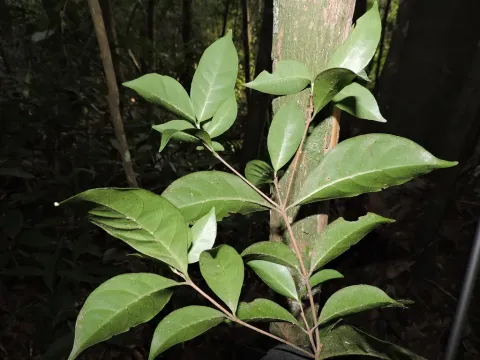
Cordiera
Cordiera
The Cordiera genus belongs to the Rubiaceae family, which encompasses a wide variety of tropical woody plants and shrubs. Naturally, these species are primarily located within the humid forest regions of South and Central America.
What the section contains

Cordiera
The plant thrives in conditions typical of tropical rainforests, where stable high temperatures and the absence of freezing weather are critical for development. Successful cultivation requires bright, indirect sunlight and protection from intense mid-day heat.
Deep, well-drained soils rich in organic matter are essential for optimal growth. The soil pH should ideally range from slightly acidic to neutral, which ensures the effective uptake of macro- and micronutrients required for healthy plant physiology.
Cultivation practices must prioritize proper drainage, as the roots are highly sensitive to waterlogging. Additionally, maintaining ambient humidity at 70-80 percent is crucial for mimicking their natural forest understory habitat.
Irrigation should be consistent but moderate, ensuring the soil remains moist without becoming saturated. Applying organic mulch, such as leaf mold, helps to stabilize soil temperature and provide a slow-release nutrient source for the roots.
The economic value of Cordiera is centered on its edible fruits, which are utilized in regional diets and local processing industries. Yield potential is heavily influenced by the age of the plant and the management practices applied during its growth cycle.
Productivity in wild populations is variable, but with active horticultural management, such as canopy thinning and pruning, plants can produce reliable annual yields. Harvesting is performed by hand once the fruit reaches biological maturity.
For sustainable production, pruning is essential to stimulate the development of new fruiting branches. This practice prevents the plant from becoming overgrown and ensures that energy is directed toward fruit development rather than excessive foliage.
The fruiting season is generally once per year, depending on the climatic conditions during the flowering phase. Healthy shrubs, when properly spaced and pruned, can maintain productive yields for several decades.
Improving harvest quality involves regular monitoring of the canopy to ensure adequate light penetration. Sunlight exposure is a key factor in developing the flavor profile and sugar content of the harvested fruit.
The primary threats to Cordiera include various fungal pathogens that flourish in environments with poor air circulation and excessive moisture. Leaf spot diseases are common symptoms when irrigation levels are poorly managed.
Among pests, spider mites and scale insects represent the most significant threat, particularly in environments with low humidity. These pests feed on plant sap, leading to stunted growth and damaged foliage if left untreated.
Effective prevention strategies include maintaining a clean growing area and performing regular sanitary pruning to remove infected plant material. Good hygiene prevents the spread of pathogens throughout the planting.
Integrated pest management, emphasizing biological controls, is highly recommended to protect the crop without disrupting local beneficial insect populations. Chemical interventions should be used sparingly and only when necessary.
Consistent crop monitoring is a vital agronomic practice for identifying early signs of distress. Prompt intervention at the first sign of pest infestation or fungal growth is essential for maintaining plant health and yield quality.