
Coprosma kirkii
Coprosma kirkii
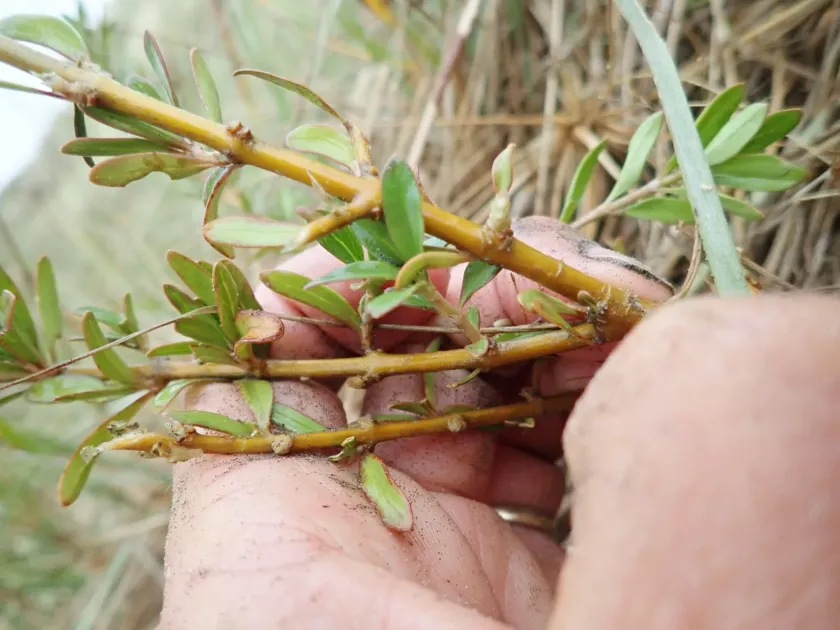
Description
Growing requirements
Coprosma kirkii is an evergreen decorative shrub belonging to the Rubiaceae family. Originating from New Zealand, this plant is naturally adapted to coastal environments, including sandy dunes and rugged hillsides, where it acts as a hardy groundcover.
The plant is characterized by its low, creeping growth habit, creating dense mats of small, glossy, deep green leaves. Its flexibility and rapid spread make it an excellent choice for erosion control and covering large, challenging landscape areas.
For optimal growth, Coprosma kirkii requires full sun to partial shade. It is highly valued for its exceptional wind tolerance and ability to thrive in areas exposed to salt spray, making it a staple for coastal garden designs.
Regarding soil, the plant prefers well-drained, sandy, or light loamy substrates. It is essential to ensure that the site does not collect standing water, as the roots are sensitive to anaerobic conditions and prone to decay in waterlogged soil.
Maintenance is relatively straightforward: it involves moderate watering during the establishment phase and periodic pruning to maintain shape and density. It is well-suited for temperate climates and requires minimal intervention once established in appropriate conditions.
Main diseases and pests
The main threats to this shrub include fungal diseases such as powdery mildew, which often develop in environments with poor air circulation and high humidity. Proper spacing is crucial to prevent these issues from taking hold.
Pests like aphids and scale insects are common adversaries. They tend to congregate on tender new growth, weakening the plant if left untreated. Regular monitoring of the foliage is recommended to catch infestations early.
Root rot is a critical threat often caused by poor drainage or overwatering. If symptoms of wilting or discoloration appear, it is imperative to check the soil moisture levels and improve the drainage immediately.
Integrated pest management, including the use of systemic insecticides or biological controls, is effective in managing insect populations. Maintaining plant vigor through balanced nutrition reduces susceptibility to these attacks.
Sanitation practices, such as removing fallen leaves or dead plant matter from the base of the shrub, play a vital role in preventing the overwintering of pathogens and maintaining overall garden hygiene.