
Coprosma ciliata
Coprosma ciliata
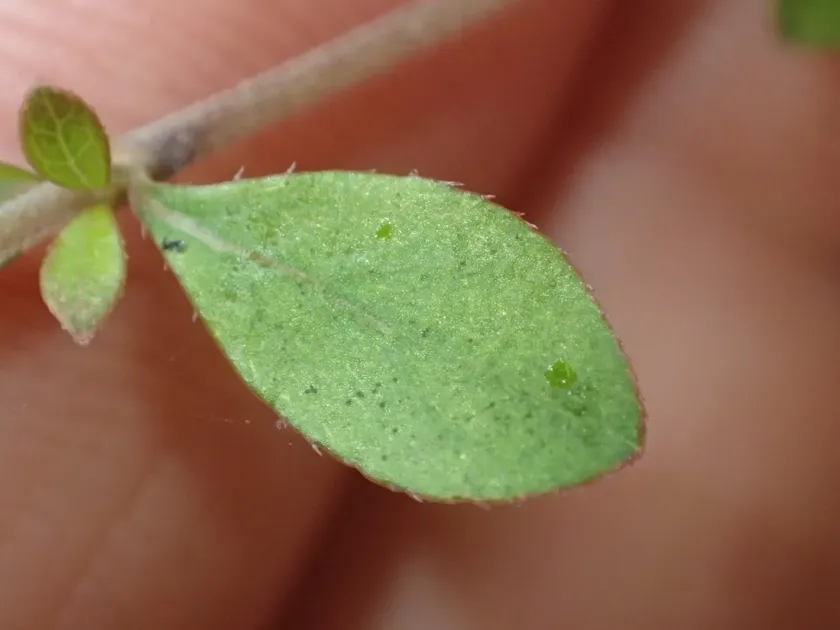
Description
Growing requirements
Coprosma ciliata is an evergreen shrub belonging to the Rubiaceae family. Native to New Zealand, it is widely recognized for its dense foliage and adaptability to varied horticultural environments.
The plant thrives in well-drained soil with a slightly acidic to neutral pH. Providing adequate drainage is essential, as the species is highly susceptible to root-related issues when planted in heavy or waterlogged clay soils.
In terms of light exposure, it prefers full sun to light shade. While it has some tolerance for wind, it should be protected from harsh, freezing winter winds in colder temperate zones to avoid significant foliage damage.
Growth is generally moderate, and the plant responds well to regular feeding with a balanced liquid fertilizer during the spring and early summer seasons to promote healthy development.
Pruning is a vital part of cultivation, allowing gardeners to maintain its natural structure or train it into formal shapes such as hedges, which is a common use for this versatile shrub.
Main diseases and pests
The primary threats to Coprosma ciliata include fungal pathogens that flourish in high-moisture conditions. Proper irrigation management is the most effective cultural practice to mitigate these risks.
Pests such as mealybugs, aphids, and spider mites can occasionally affect the shrub. Regular monitoring, especially on the undersides of the leaves, is necessary to ensure early detection and management.
If chemical interventions become necessary, use horticultural oils or insecticidal soaps, which are generally effective against soft-bodied pests without causing significant damage to the plant tissue.
Nutrient deficiencies, indicated by chlorosis or stunted growth, can be prevented by applying micronutrient-rich fertilizers specifically formulated for ornamental evergreen shrubs.
Sanitation practices, such as removing fallen leaves and pruning away infected branches, play a crucial role in maintaining the overall health and vigor of the specimen throughout its lifecycle.