
Coprosma cuneata
Coprosma cuneata
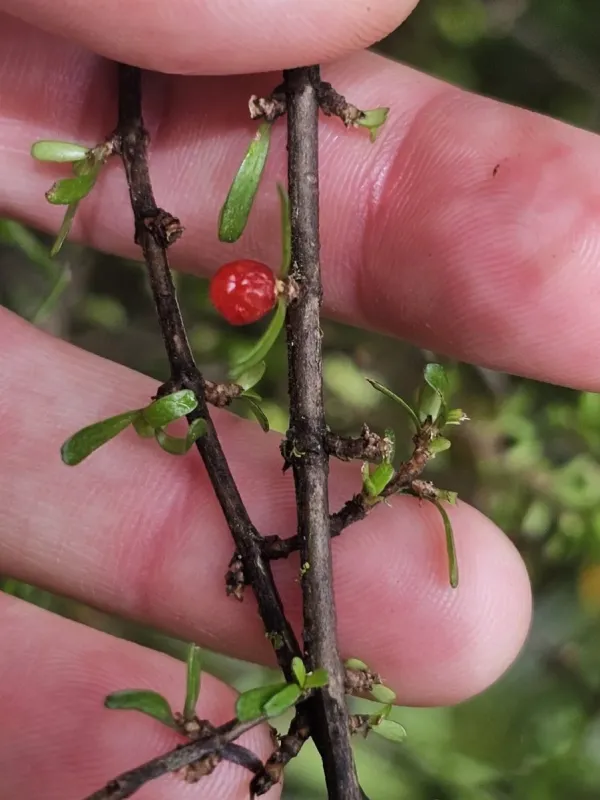
Description
Growing requirements
Coprosma cuneata belongs to the Rubiaceae family and is an evergreen shrub native to New Zealand. It is well-adapted to high-altitude environments and rocky landscapes.
Botanically, it is characterized by its compact habit and small, leathery, often reddish-tinged leaves. It thrives in well-drained, slightly acidic soils that mimic its natural mountainous habitat.
The climate requirements include cool temperatures and high atmospheric humidity. It is relatively frost-tolerant, making it suitable for temperate regions with mild winters.
Optimal growth is achieved in sunny locations, though some shade during the hottest part of the day is beneficial in warmer climates to prevent leaf scorching.
Cultural practices should focus on maintaining adequate drainage. It is generally a low-maintenance plant that does not require heavy fertilization if planted in healthy, well-composted soil.
Main diseases and pests
The most significant threat to Coprosma cuneata is root rot, which typically develops in waterlogged soil conditions. Ensuring a porous substrate is critical for long-term survival.
Common pests such as scale insects and mealybugs may infest the stems and leaves. Regular visual inspection is recommended to detect these pests early.
Fungal leaf spot diseases can occur if air circulation is insufficient. Thinning out the center of the shrub helps improve airflow and reduces moisture retention on foliage.
In case of pest outbreaks, using horticultural oils or systemic insecticidal soaps can be effective. Treatment should be performed during cooler times of the day.
Providing a balanced environment with correct watering intervals is the best preventative strategy against both abiotic stresses and biotic disease pressure.