
Coprosma nitida
Coprosma nitida
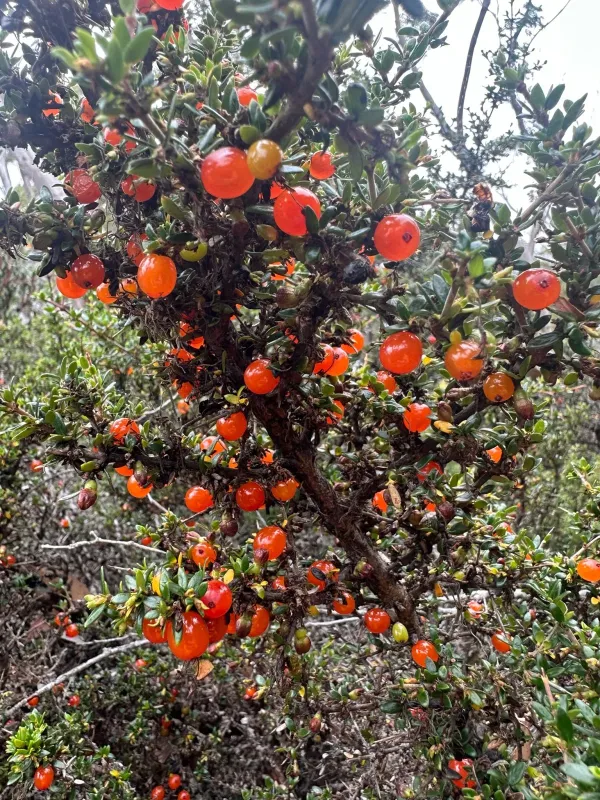
Description
Growing requirements
Coprosma nitida is a notable species belonging to the Rubiaceae family. Originating from the mountainous and forest regions of Australia, it is an evergreen shrub prized for its glossy foliage and structural growth habit, which makes it a favorite in temperate garden designs.
The plant thrives in well-drained, nutrient-rich soils that mimic the natural organic conditions of forest floors. Botanically, it is characterized by dense branching and small, durable leaves that allow it to adapt to various environmental conditions while maintaining its aesthetic appeal throughout the year.
Climate requirements for this species include protection from extreme heat and heavy frost. While it is adaptable, it performs best in sheltered spots where humidity levels are moderate. In cultivation, it serves as an excellent candidate for maritime climates or mild inland gardens where temperatures remain relatively stable.
Agrotechnical management involves regular moisture maintenance. It is critical to ensure that the soil never remains waterlogged, as the root system of Coprosma nitida is sensitive to hypoxia. Fertilizing with controlled-release nutrients during the spring growth flush supports vigorous development.
The primary horticultural application of this plant is in landscaping, where it serves as a robust hedging plant or topiary subject. Its ability to tolerate frequent pruning allows designers to utilize it for formal garden structures, ensuring year-round visual impact and structural integrity.
Main diseases and pests
The main pathological threats to Coprosma nitida include fungal infections like root rot, typically exacerbated by poor soil drainage. Maintaining a proper ventilation cycle around the plant canopy is an essential preventative measure against airborne diseases and fungal spot.
Insect pests such as scale insects, mealybugs, and aphids can occasionally infest the plant, particularly in sheltered environments with low airflow. Integrated pest management, including regular inspection and targeted horticultural oils or insecticides, is recommended to keep the shrub healthy and thriving.