
Coprosma tenuifolia
Coprosma tenuifolia
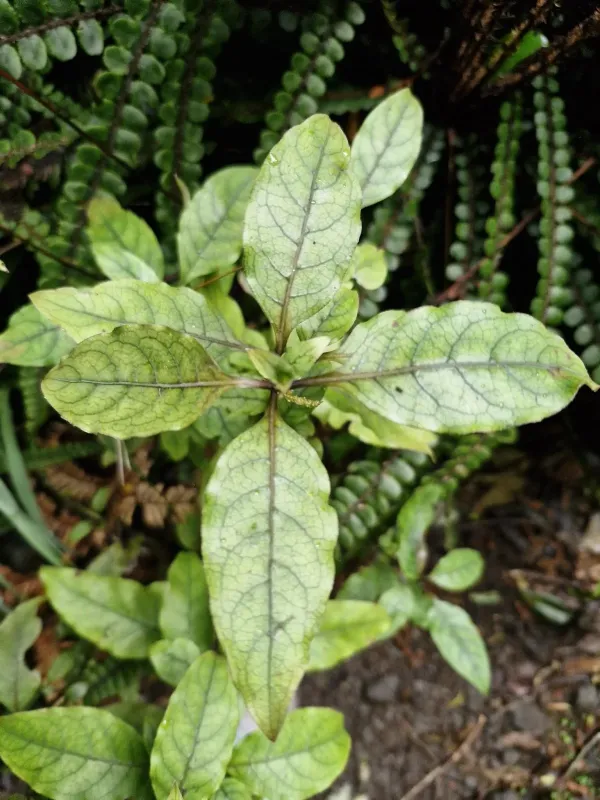
Description
Growing requirements
Coprosma tenuifolia is an evergreen shrub belonging to the Rubiaceae family, native to the diverse forest habitats of New Zealand. It is highly valued for its dense foliage and unique aesthetic appeal.
The species thrives in well-drained, fertile soil and requires adequate space to reach its natural size. It performs best in locations that offer protection from harsh winds while ensuring good airflow.
Botanically, this shrub features glossy, thin-textured leaves that retain their color throughout the year. It serves as an excellent candidate for formal hedges and structural plantings in Mediterranean-style gardens.
In terms of environmental conditions, the plant prefers temperate climates with moderate humidity levels. While it tolerates light frost, it generally struggles in extreme cold or prolonged freezing temperatures.
Cultivation practices include regular watering during the establishment phase and annual pruning to maintain shape. Proper site selection is vital, as the plant prefers bright light but avoids scorching direct sun in summer.
Main diseases and pests
Root rot is the most common threat to Coprosma tenuifolia, usually caused by improper irrigation practices or poor soil drainage. Ensuring that the substrate remains moist but not waterlogged is essential.
Aphids and scale insects represent the primary pest challenges. These pests cluster on new growth and the underside of leaves, potentially stunting the development of the plant if left untreated.
Effective management includes regular monitoring and the application of horticultural oils or systemic insecticides when necessary. Maintaining plant vigor through proper nutrition helps mitigate the impact of infestations.
Fungal leaf spots may occur in environments with poor ventilation or consistently high ambient humidity. Improving airflow around the shrub's canopy is the most effective preventative measure against these issues.
Regular sanitation, such as removing dead or dying branches, helps prevent the spread of pathogens. Keeping the base of the plant clear of debris also discourages the accumulation of harmful microbes.