
Coffea humblotiana
Coffea humblotiana
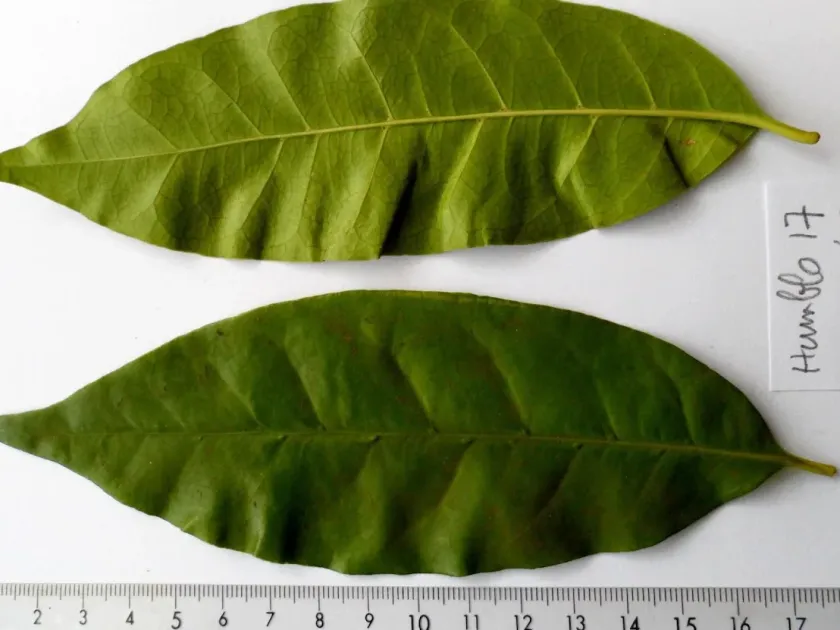
Description
Growing requirements
Coffea humblotiana is a rare species belonging to the Rubiaceae family. This distinct coffee plant is endemic to the island of Mayotte, where it has evolved within specific microclimatic conditions typical of the Comoros archipelago.
The plant thrives in tropical environments characterized by high humidity levels and consistent temperatures. It typically requires partial shade, as the native forest canopy protects the foliage from excessive solar radiation and heat stress.
Cultivation requires deep, well-draining soils that are rich in organic matter. An acidic soil profile is generally preferred, mimicking the naturally leached forest floors of its native habitat to ensure optimal nutrient uptake.
Water management is critical for this species. Consistent moisture is necessary, but soil waterlogging must be avoided at all costs to prevent the development of root rot and other moisture-related pathologies.
Due to its specialized endemic nature, this coffee species is strictly adapted to tropical zones and lacks cold tolerance, making it unsuitable for commercial cultivation in regions with significant temperature fluctuations.
Main diseases and pests
The coffee berry borer (Hypothenemus hampei) poses a major threat to the yield of Coffea humblotiana, as it targets the maturing fruit and can compromise the integrity of the seeds within.
Fungal pathogens, particularly coffee leaf rust (Hemileia vastatrix), represent a significant risk. These fungi thrive in the humid conditions favored by the plant and can cause severe defoliation if left unchecked.
Pest management also involves monitoring for scale insects and mealybugs, which are known to infest the stems and leaves, extracting plant sap and weakening the overall vigor of the coffee tree.
Effective management includes regular pruning to enhance air circulation through the canopy, which naturally reduces the risk of fungal outbreaks by promoting faster drying of the foliage after rain.
Sustainable agricultural practices, such as the use of organic amendments and beneficial predatory insects, are recommended to maintain plant health while minimizing chemical intervention in fragile tropical ecosystems.