
Coffea pseudozanguebariae
Coffea pseudozanguebariae
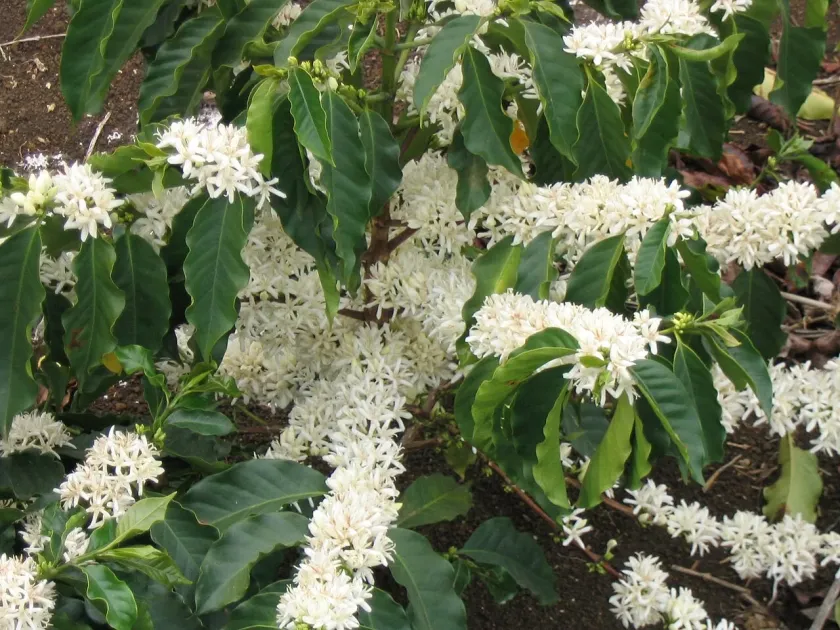
Description
Growing requirements
Coffea pseudozanguebariae is a distinct species of the Rubiaceae family, known for its unique adaptation to dry coastal environments in East Africa. It is a slow-growing evergreen shrub that typically reaches a modest stature in the wild.
Originating from the coastal forests of Kenya and Tanzania, this coffee relative is highly adapted to low-altitude conditions. Unlike commercial coffee varieties, it shows significant resilience to environmental stressors like irregular precipitation.
Botanically, the plant features glossy leaves and small white flowers that reflect its taxonomic relationship with the genus Coffea. Its seeds are smaller than those of the common coffee varieties, which influences its potential for specialized production.
The cultivation of this species requires well-drained, slightly acidic soil profiles. It is sensitive to waterlogging, necessitating careful site selection to ensure the root system remains healthy and free from stagnation.
Climate demands involve a tropical range with stable temperatures between 20°C and 28°C. It performs best in areas where humidity can be managed, allowing it to mimic the ecological conditions of its native woodland habitats.
Main diseases and pests
The primary threat to the existence of Coffea pseudozanguebariae is the loss of habitat due to land-use change. Deforestation in the coastal regions of East Africa directly impacts its ability to thrive in its natural, isolated pockets.
Pathogenic fungi, such as Hemileia vastatrix, pose a major risk to the plant's foliage. Regular monitoring is essential to prevent large-scale infection, which can lead to rapid leaf loss and decreased vitality.
Insect pests, particularly the coffee berry borer, present significant challenges to potential commercial development. These pests can destroy the crop before it reaches maturity, necessitating an integrated pest management strategy.
Root-knot nematodes are another common soil-borne threat that can stunt growth in young plants. Utilizing resistant rootstocks or proper soil sterilization techniques is often recommended for nurseries managing this species.
Invasive weed species can compete for water and nutrients, which is particularly detrimental given the plant's slower growth rate. Implementing regular weeding and maintaining mulch layers is crucial for supporting the plant's early development stages.