
Coprosma microcarpa
Coprosma microcarpa
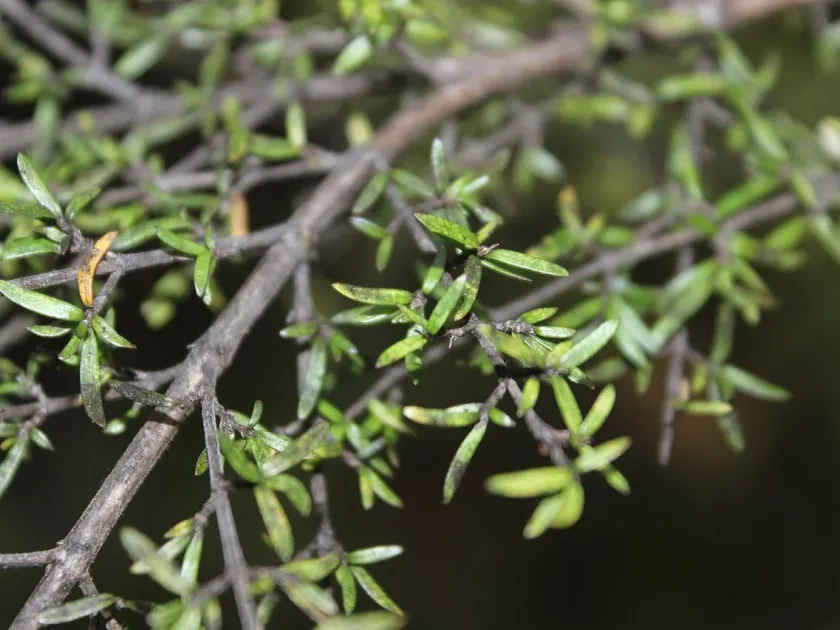
Description
Growing requirements
Coprosma microcarpa is an evergreen shrub belonging to the Rubiaceae family. Native to New Zealand, this species is well-regarded for its dense growth habit and fine-textured foliage that fits perfectly into managed landscapes.
The cultivation of this plant requires well-drained, nutrient-rich soil with an acidic to neutral pH level. It is highly sensitive to waterlogged environments, which often inhibit root development and favor the growth of soil-borne pathogens.
Regarding climate, the plant thrives in oceanic or temperate conditions with consistent humidity levels. It avoids extreme temperatures and prefers sheltered locations protected from harsh, desiccating winds that can damage its delicate leaves.
Botanically, it features small, opposite leaves and is dioecious, meaning it produces separate male and female plants, with females bearing small, inconspicuous berries. The shrub is prized for its aesthetic versatility and structural integrity.
In landscape architecture, it is primarily used for formal hedges and as a filler plant in coastal gardens due to its high tolerance to saline environments.
Main diseases and pests
The most significant threats to Coprosma microcarpa are fungal diseases, specifically root rot, which typically occurs when the planting site lacks proper drainage.
Pest pressures primarily involve sap-sucking insects such as scale insects and mealybugs. These pests congregate on the underside of leaves and stems, leading to stunted growth.
Integrated pest management, including regular inspection and the use of insecticidal soaps, is the recommended approach for maintaining plant vigor.
Good horticultural practice, such as adequate spacing between plants, is essential to improve airflow and reduce the humidity levels that pests and fungi thrive in.
Sanitation practices, including the removal of dead or declining foliage, play a critical role in preventing the overwintering of pathogens near the shrub's root zone.