
Stinkwood
Coprosma foetidissima
Description
Growing requirements
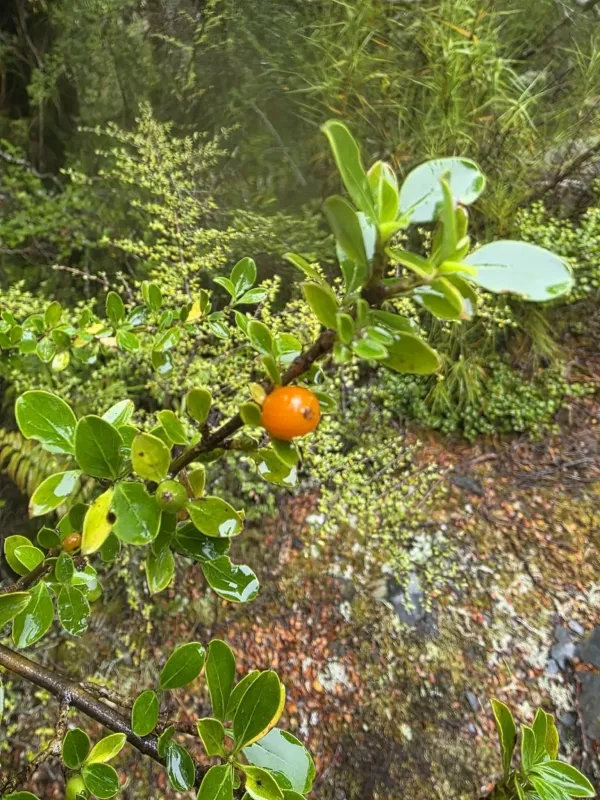
Stinkwood (Coprosma foetidissima) belongs to the Rubiaceae family. This evergreen shrub is native to New Zealand, commonly found in dense forests and subalpine regions, known for its distinct odor when leaves are crushed.
The plant thrives in cool, temperate, and humid climates. It requires well-drained, nutrient-rich soils with a slightly acidic pH to mimic the humus-rich forest floors where it naturally occurs.
Cultural requirements include partial shade to protect the plant from intense sun exposure. It is highly sensitive to root disturbance and excessive heat, necessitating a stable moisture level throughout the growing season.
Agrotechnical management involves regular but moderate watering. To support healthy growth, organic mulch should be applied to maintain soil coolness and provide a slow-release source of nutrients.
The economic value of this plant is primarily ornamental. It is favored by landscape architects in suitable climates for its glossy foliage, and it holds historical significance in traditional ecological knowledge.
Main diseases and pests
Common plant health threats include fungal pathogens such as leaf spot and root rot, often triggered by waterlogged conditions. Pests such as scale insects and aphids may infest young growth during humid periods.