
Coptosapelta
Coptosapelta
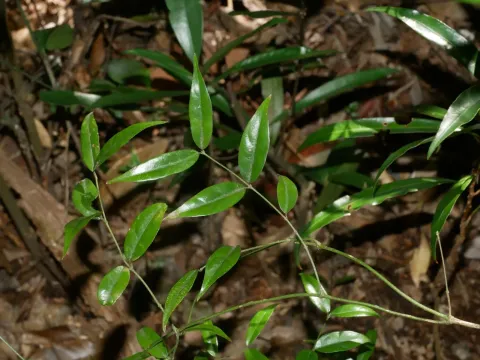
Coptosapelta is a genus of climbing shrubs and woody vines belonging to the Rubiaceae family. Native to the tropical regions of Southeast Asia, these plants possess specialized morphological traits suited for humid, dense forest ecosystems.
What the section contains
Coptosapelta
The climate requirements for Coptosapelta involve consistently high temperatures and stable humidity levels. These plants are tropical in nature and cannot tolerate frost or cold drafts, which cause severe damage to the apical buds.
Regarding soil conditions, the genus thrives in fertile, well-draining soils with a slightly acidic to neutral pH. High organic matter content is preferred to support the rapid vertical growth of the vine's stems.
Light management is crucial; while Coptosapelta requires sufficient energy for photosynthesis, it prefers filtered or dappled light. Intense direct sun exposure, especially in arid climates, can scorched leaves.
Regular irrigation is vital during the growing season. The substrate should be kept moist but never waterlogged, as poor drainage is the leading cause of root-related complications in this genus.
The economic value of Coptosapelta is primarily derived from its secondary metabolites. Certain species are harvested for their medicinal properties, containing compounds utilized in traditional pharmacology.
Yield metrics for this culture are measured by the harvestable biomass of stems and roots. The production cycle is multi-annual, requiring patience to allow the plants to mature sufficiently for effective extraction.
Vertical cultivation is the standard practice, utilizing trellis systems to maximize surface area and improve sunlight exposure. This method effectively streamlines the harvesting process for field workers.
To maximize yields, nutrient management programs should focus on nitrogen-rich fertilizers during the initial vegetative growth stages, followed by a transition to balanced nutrition to promote structural integrity.
Post-harvest processing involves drying and controlled extraction. The quality of the final product depends heavily on the speed of dehydration to preserve active biological components.
The primary threats to Coptosapelta health are soil-borne pathogens, particularly fungi such as Phytophthora, which thrive in poorly drained environments.
Pests, most notably spider mites and whiteflies, frequently infest the foliage. These pests can weaken the plant by continuously sucking sap from the leaves and stems.
Root rot remains the most devastating cultural error, often caused by over-irrigation in winter months when the plant's metabolic activity naturally declines.
To mitigate these threats, integrated pest management (IPM) strategies should be employed, prioritizing natural predators over chemical interventions where possible.
Regular sanitation, such as removing fallen leaves and pruning dead wood, is necessary to prevent the accumulation of spores and pest colonies within the growing area.