
Coffee hybrids
Coffea hybrids
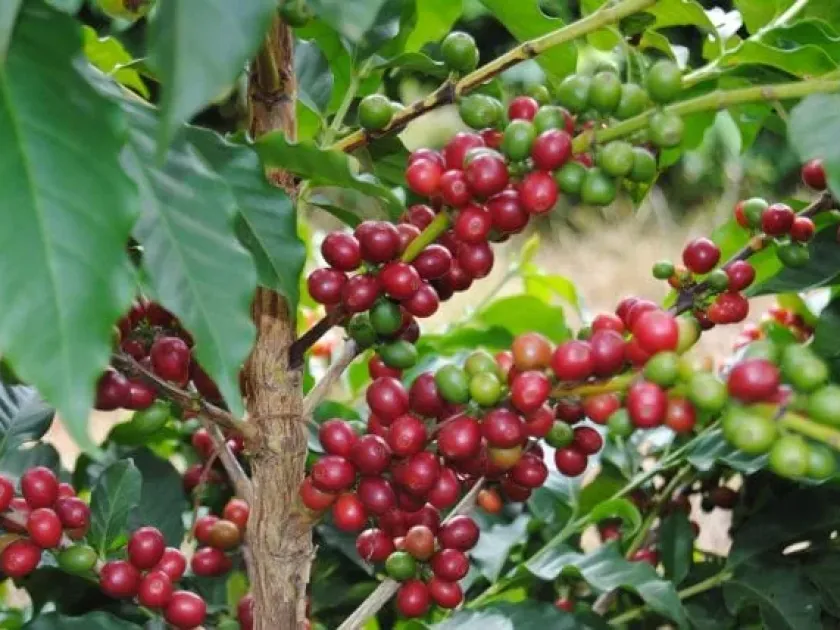
Description
Sowing dates
Sowing coffee hybrids begins in specialized nurseries where controlled conditions ensure the highest germination rates. Seeds are planted in well-drained, nutrient-rich media to encourage strong root development.
The planting depth is typically set at 1.5 to 2 cm. Maintaining consistent soil moisture is crucial, but growers must avoid waterlogging to prevent seed rot during the early stages of the germination cycle.
Once seedlings develop their first true leaves, they are transferred into larger individual containers. This phase often involves gradual exposure to sunlight to acclimate the plants to field conditions.
The transplantation to the plantation occurs when the seedlings reach a height of 30–40 cm. This timing is strategically planned to coincide with the start of the rainy season to minimize plant stress.
Spacing between plants is determined by the specific hybrid variety and the intended pruning system. Modern high-density farms may utilize specific patterns to maximize space while ensuring optimal airflow.
Growing requirements
Coffee hybrids, belonging to the Rubiaceae family, thrive best in high-altitude tropical regions. These plants require a stable, warm climate with temperatures typically ranging between 18°C and 25°C.
Soil requirements focus on high organic matter content, slightly acidic pH (5.0–6.0), and excellent drainage capacity. Poor soil aeration can significantly impede the development of the root system.
Shade management is a vital component of coffee agronomy. By planting canopy trees, farmers protect the coffee bushes from extreme heat and high wind speeds, which promotes healthier growth cycles.
Nutrient management involves regular applications of NPK fertilizers supplemented with essential micronutrients like magnesium and boron, which are vital for flowering and fruit set.
Water requirements are significant during the peak growth phase. While coffee plants are somewhat resilient, consistent access to water is necessary to maintain productivity and prevent premature fruit drop.
Yield
The yield potential of coffee hybrids is significantly higher than that of traditional species due to rigorous genetic selection. Productive harvests typically begin within 3 to 5 years of planting.
A well-maintained hybrid coffee tree can produce between 1.5 and 2.5 kg of green coffee per year. Intensive management techniques can push these figures higher in optimal farming environments.
Maintaining a consistent yield requires periodic pruning. By removing old wood and encouraging new, productive branches, growers can prevent the "off-year" phenomenon common in many coffee varieties.
Pollination efficiency is essential for maximum fruit set. While many hybrids are self-fertile, a diverse ecosystem on the plantation can improve yield quality through the presence of natural pollinators.
Annual yield is directly tied to the health of the plant's canopy. Managing light exposure and nutritional status throughout the growth season is critical for sustaining high performance over many years.
Main diseases and pests
Coffee leaf rust (Hemileia vastatrix) remains the most devastating threat to coffee hybrids globally. Effective management includes the use of resistant hybrids and strategic fungicide applications.
The coffee berry borer (Hypothenemus hampei) is a major pest that directly damages the seeds inside the cherries. Sanitation of the plantation floor after harvest is a primary method for controlling its spread.
Root-knot nematodes are significant subterranean pests that can cripple coffee production. Using resistant rootstocks is a standard preventative measure in modern hybrid cultivation programs.
Cercospora leaf spot causes significant damage to foliage and fruit quality. The disease is exacerbated by high humidity and poor plantation hygiene, necessitating careful canopy management and pruning.
- Implement integrated pest management (IPM) strategies.
- Regular monitoring and early detection of disease symptoms.
- Use of disease-resistant hybrid varieties.
- Strict plantation sanitation to break pest life cycles.
Harvesting
Harvesting coffee hybrids is a meticulous process that emphasizes quality control. Because cherries often mature at different rates, selective hand-picking remains the gold standard for high-value coffee.
Workers carefully select only the ripe, red cherries, leaving unripe or diseased ones on the tree. This ensures that the final processed product meets strict specialty-grade quality standards.
Immediate post-harvest processing is critical. Whether using the wet or dry method, moving the fruit to the pulping or drying station within hours prevents undesirable fermentation and off-flavors.
Drying is performed either on raised beds or patios. Proper aeration and frequent turning are required to achieve an even moisture level throughout the batch, which is essential for shelf-life stability.
The final stage involves milling the parchment coffee to remove the protective layers, resulting in green coffee beans ready for export and subsequent roasting by the coffee industry.