
Coprosma robusta
Coprosma robusta
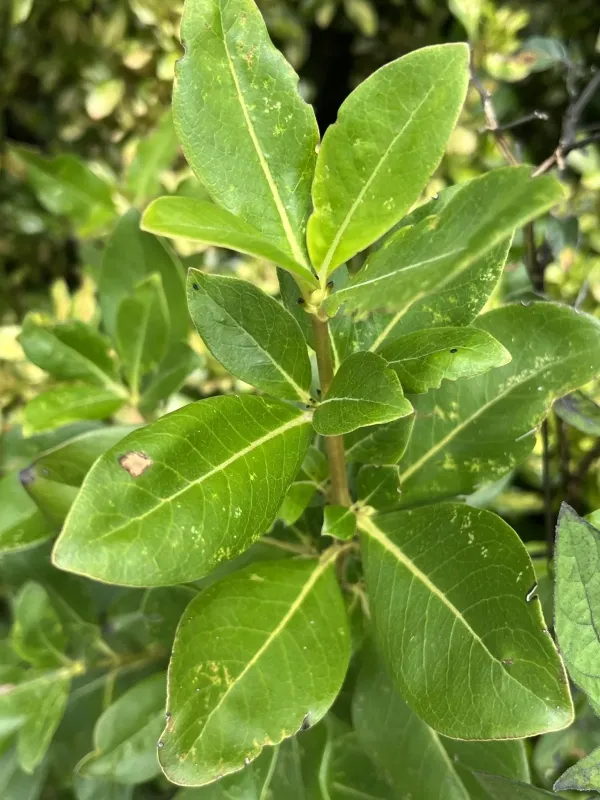
Description
Sowing dates
Propagation of Coprosma robusta is most effectively achieved through stem cuttings taken from healthy, mature plants. The best time for this procedure is late summer, using semi-hardwood stems to ensure optimal rooting success.
Cuttings should be placed in a sterile, well-draining potting medium such as a mix of peat moss and perlite. Maintaining a consistent temperature of around 20 degrees Celsius encourages the development of a robust root system within a few weeks.
Seed propagation is possible after a period of stratification. Seeds should be sown in shallow containers and kept moist, but not waterlogged, to mimic natural germination conditions observed in their native New Zealand habitats.
When transplanting nursery-grown plants, the process should be timed to avoid frost. Young specimens require careful hardening off before they are permanently placed in outdoor beds to prevent shock from environmental changes.
Optimal spacing depends on the intended use in landscape design. For hedge formation, plants should be placed approximately one meter apart to allow for sufficient air circulation and root development.
Growing requirements
Coprosma robusta, a member of the Rubiaceae family, is a versatile evergreen shrub. Known for its glossy, tough foliage, it is widely used in both coastal landscaping and urban garden designs due to its high tolerance for salt spray.
This species thrives in well-draining, fertile soils with a pH ranging from slightly acidic to neutral. It is essential to avoid heavy, clay-based soils that retain too much moisture and can lead to root suffocation.
Climate-wise, the plant prefers temperate conditions with plenty of sunlight. While it is hardy in many zones, it may require protection or shelter in regions that experience severe, prolonged winter frosts or freezing temperatures.
Adequate hydration is critical during the initial establishment phase. Once mature, Coprosma robusta shows moderate drought tolerance, though it maintains the best aesthetic appearance when provided with consistent watering during dry spells.
Maintenance pruning is highly recommended to encourage dense growth and maintain the desired shape. This also serves the agronomic purpose of thinning the interior canopy to ensure adequate light penetration and ventilation.
Main diseases and pests
The plant is relatively resilient but can be susceptible to infestations of scale insects and mealybugs. These pests typically cluster on the undersides of leaves or along stems, feeding on sap and reducing plant vigor.
Fungal issues, such as root rot caused by Phytophthora species, are common symptoms of improper soil drainage or overwatering. These pathogens thrive in stagnant, wet conditions and can be fatal if not addressed early.
Monitoring for signs of leaf yellowing or stunted growth is vital for early detection of stress. If pests are detected, horticultural oils or appropriate systemic insecticides can be applied to manage the population effectively.
Cultural practices such as removing leaf litter and ensuring sufficient spacing between plants significantly reduce the risk of humidity-related diseases. Keeping the base of the plant clear prevents the buildup of damp debris.
Integrated pest management strategies are advised for sustainable gardening. Encouraging beneficial insects and applying organic treatments can keep the garden environment healthy while protecting the shrub from common threats.