
Coprosma areolata
Coprosma areolata
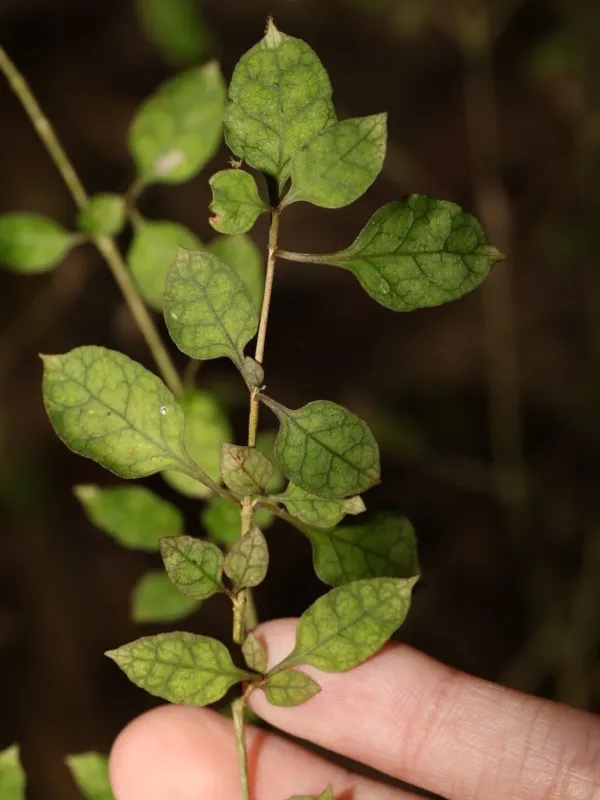
Description
Growing requirements
Coprosma areolata is an evergreen shrub belonging to the Rubiaceae family, native to the forests and river valleys of New Zealand. This plant is valued in horticulture for its intricate, fine-branching habit and glossy, thin leaves that offer a distinct aesthetic appeal.
The cultivation of this species requires well-drained, fertile soil that maintains consistent moisture levels without becoming waterlogged. The plant thrives in slightly acidic to neutral substrates rich in organic matter, which mimic its natural woodland habitat.
Climate requirements for Coprosma areolata are specific to temperate and coastal regions with moderate humidity. It is sensitive to extreme frosts and prolonged droughts, necessitating a controlled environment in colder regions, often requiring greenhouse protection during winter months.
Regarding light, this plant prefers dappled shade or indirect sunlight. Exposure to intense, direct afternoon sun should be avoided, as it can cause leaf scorch and stress the plant, leading to stunted growth or a loss of foliage color vibrancy.
Maintenance involves regular watering and periodic pruning to maintain a desirable shape and density. Using a slow-release fertilizer during the growing season supports healthy development, provided that the soil structure is not compromised by excessive mineral buildup.
Main diseases and pests
The primary threats to the health of Coprosma areolata include fungal pathogens, particularly root rot, which is often a direct result of improper drainage or over-irrigation. Maintaining a balance between soil aeration and moisture is crucial for the plant's long-term survival.
Pests such as scale insects and aphids are common challenges for this shrub. These organisms hide on the underside of leaves or within dense branching structures, making early detection and intervention essential to prevent structural damage and loss of vigor.
Spider mites can also be problematic in conditions with low atmospheric humidity, especially within indoor environments. Their presence is indicated by fine webbing and a mottled appearance on the foliage, which negatively impacts the overall health of the shrub.
Effective management strategy relies on strict adherence to cultural practices, such as providing proper spacing for airflow to mitigate the risk of fungal outbreaks. Sanitation, including the prompt removal of infected debris, serves as the first line of defense.
Integrated pest management protocols, including the use of horticultural oils or approved insecticides, should be implemented if biological control methods fail. Always follow the application rates to avoid chemical damage to the sensitive plant tissues.