
Coprosma rotundifolia
Coprosma rotundifolia
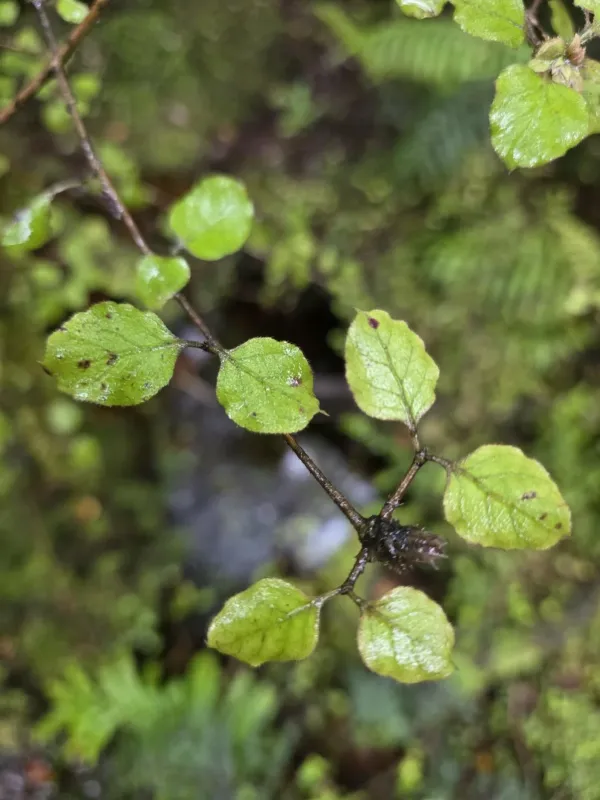
Description
Growing requirements
Coprosma rotundifolia, commonly known as round-leaved coprosma, belongs to the Rubiaceae family. This shrub is indigenous to New Zealand, primarily found in damp forest understories and alongside wetlands.
The plant thrives in soil that is moist, rich in organic matter, and well-drained. It requires a balanced environment where the soil remains hydrated but never waterlogged to ensure healthy root development.
Regarding climate, this species is not frost-tolerant and prefers stable, moderate temperatures. In colder regions, it is best kept in containers, allowing for indoor protection during the winter months.
Lighting should be managed carefully; the plant performs optimally in partial shade or filtered light. Direct sun exposure in hot climates can damage the foliage and induce excessive water loss.
Regular maintenance includes light pruning to keep the shrub dense and attractive. As it is a slow-growing plant in some conditions, consistent care regarding soil fertility and moisture is key.
Main diseases and pests
Mealybugs are the most common pests affecting this shrub, especially in indoor or greenhouse settings. They typically congregate in leaf axils, requiring targeted cleaning or pesticide treatment.
Root rot is a severe threat typically caused by poor drainage or overwatering. Once the root system is compromised, it is often difficult to rehabilitate the plant, making prevention the best strategy.
Fungal leaf spots can occur when the plant is kept in environments with high humidity and poor air circulation. Improving ventilation around the foliage is a primary cultural control method.
Scale insects may also attach to the stems and leaves, extracting plant fluids and reducing overall vigor. Regular monitoring and physical removal are effective in early stages of infestation.
Nutritional deficiencies, manifesting as leaf yellowing, are usually linked to imbalanced pH levels. Ensuring a slightly acidic to neutral substrate is essential for proper nutrient uptake.