
Coprosma cunninghamii
Coprosma cunninghamii
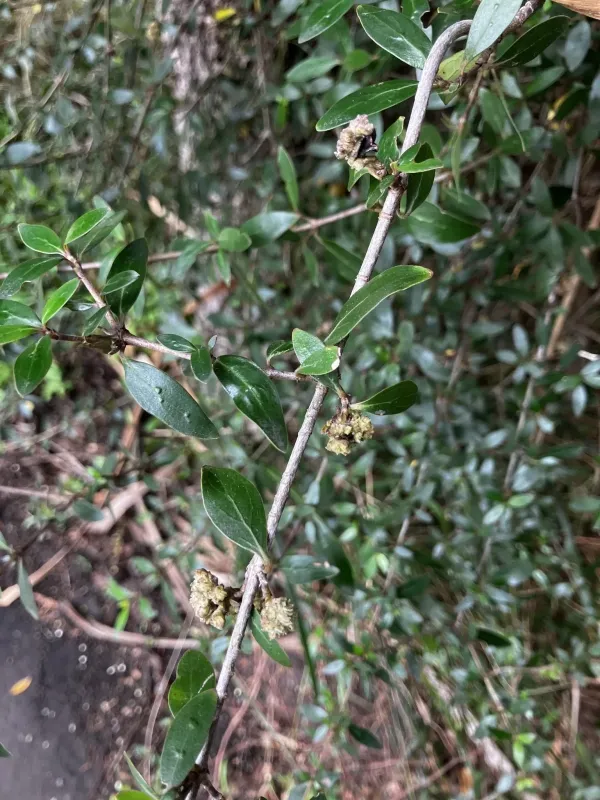
Description
Growing requirements
Coprosma cunninghamii is a resilient evergreen shrub belonging to the Rubiaceae family. Native to New Zealand, it has evolved to thrive in diverse environments, ranging from dense scrublands to open, exposed hillsides.
For successful cultivation, this species requires well-drained, fertile soil. While it is adaptable to various soil types, maintaining a neutral to slightly acidic pH is essential for optimal nutrient uptake and overall plant vigor.
The plant performs best in full sun, which encourages denser branching and vibrant foliage growth. However, in regions with intense heat, providing partial afternoon shade can prevent leaf scorch and maintain the plant's health during peak summer temperatures.
Climatic requirements are centered around a mild, temperate, and coastal-influenced environment. It appreciates consistent moisture levels throughout the growing season but demands protection from harsh, drying winds that can cause branch breakage and desiccation.
Agronomic management involves periodic pruning to maintain a desirable shape and periodic feeding with a balanced, slow-release fertilizer during the spring. Adequate spacing is necessary to ensure proper air circulation and reduce the risk of humidity-related issues.
Main diseases and pests
Scale insects and mealybugs are the most common pests affecting Coprosma cunninghamii. These insects feed on plant sap, leading to stunted growth and the potential development of sooty mold on the foliage due to honeydew excretion.
Root rot, primarily caused by Pythium or Phytophthora species, poses a significant threat if the soil remains waterlogged. Proper drainage management and avoiding excessive watering are critical to preventing these fatal soil-borne infections.
Leaf spot diseases may occur in environments with poor ventilation or consistently high humidity. These fungal infections appear as dark lesions on the leaves, which can lead to premature defoliation if left untreated.
Spider mites can become problematic in dry conditions, causing the leaves to appear stippled or yellowed. Regular monitoring and misting, or the application of appropriate acaricides, are effective control strategies.
To minimize disease pressure, it is recommended to keep the base of the plant free from debris and to avoid overhead irrigation during cool, damp weather, which promotes the spread of various foliar pathogens.