
Red coprosma
Coprosma rubra
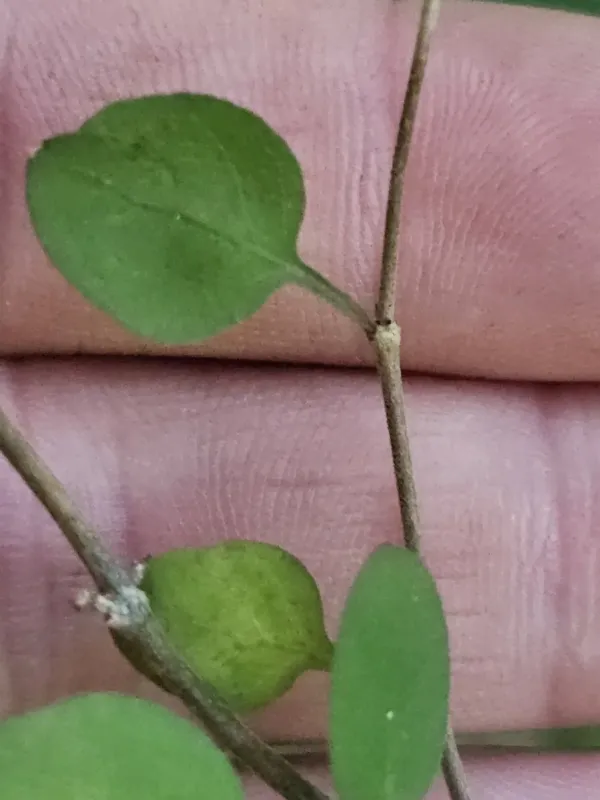
Description
Sowing dates
Propagation of Coprosma rubra is primarily achieved through semi-hardwood cuttings collected during the late summer season. This method ensures the preservation of the plant's characteristic traits and provides a higher survival rate compared to seed propagation.
The cuttings should be placed in a sterile, well-draining medium. Maintaining high humidity is crucial during the initial stages of root development, often requiring a propagation chamber or a plastic cover to prevent dehydration.
Seed propagation is a viable alternative, though it requires specific pre-treatment steps, such as cold stratification. Seeds should be sown in a light, moist substrate and kept at room temperature to initiate germination.
Young seedlings must be carefully monitored for fungal issues in their early stages. Gradual exposure to outdoor conditions, known as hardening off, is essential before planting them into their final landscape positions.
Selecting an appropriate planting season—typically spring or early autumn—allows the young plants to establish a robust root system before the onset of extreme seasonal temperatures.
Growing requirements
Coprosma rubra belongs to the Rubiaceae family and is native to New Zealand. As a woody shrub, it is prized for its architectural form and resilient nature, thriving in varied temperate environmental conditions.
The plant demands a well-draining soil profile with a neutral pH level. It is highly intolerant of waterlogged conditions, which necessitates the inclusion of sand or organic amendments in heavy or clay-dominant soils.
Regarding light, this species performs best in full sun to partial shade. Exposure to sufficient sunlight is vital for the development of its distinctive reddish foliage, which often dulls under excessive shade conditions.
Temperature tolerance is a key management factor for this crop. While it is hardy in many maritime climates, it requires protection from severe frost. In colder inland regions, it is best grown in containers that can be relocated indoors.
Maintenance tasks include balanced fertilization during the spring growth phase and regular pruning to maintain plant shape. Mulching is recommended to retain moisture and regulate soil temperature throughout the year.
Main diseases and pests
The most common disease affecting Coprosma rubra is root rot, typically caused by improper drainage. Symptoms include wilting, yellowing of leaves, and dieback of branches, which can be fatal if not corrected quickly.
Pest management is focused on controlling aphids and spider mites, which are particularly active in warm, dry spells. These pests cluster on tender new shoots and can significantly hinder the plant's growth potential.
Integrated pest management, including the use of neem oil or insecticidal soaps, is highly effective for controlling these insects without damaging the plant's natural foliage or the surrounding ecosystem.
Air circulation is critical in preventing the buildup of fungal spores. Ensuring that plants are not overcrowded helps to mitigate the spread of mildew and other foliage-related infections during humid periods.
Sanitation practices, such as removing fallen leaves and pruning away infected plant parts, are essential components of maintaining the long-term health and aesthetic appeal of the shrub in a landscape setting.