
Coprosma grandifolia
Coprosma grandifolia
Description
Growing requirements
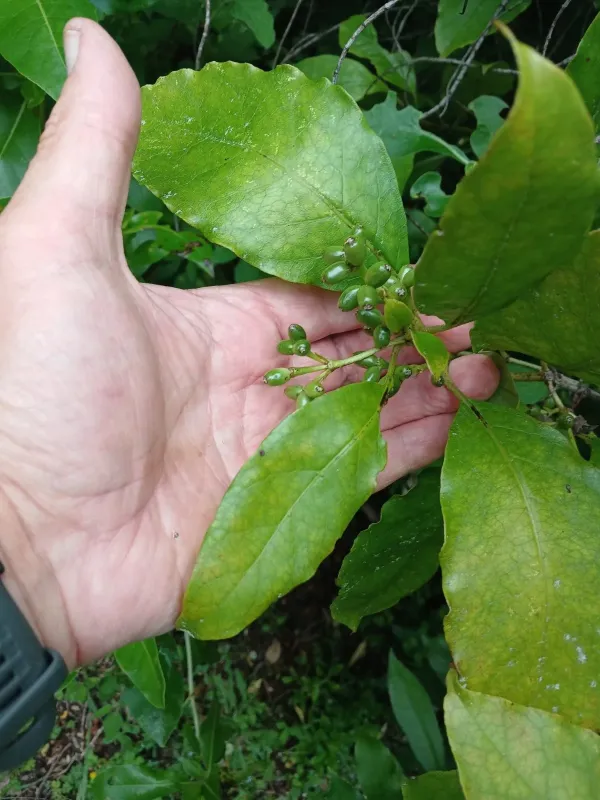
Coprosma grandifolia, commonly known as the large-leaved coprosma, is a distinct evergreen shrub belonging to the Rubiaceae family. This species is indigenous to the forests of New Zealand, where it thrives in sheltered and humid environments.
The plant is noted for its broad, glossy leaves, which can reach significant sizes, making it an attractive foliage plant. Botanically, it is recognized for its dense growth habit, which allows it to serve effectively as an ornamental landscape feature in mild climates.
Regarding climate, this crop requires temperate to subtropical conditions. It is highly sensitive to frost, which limits its outdoor cultivation to regions with mild winters; otherwise, it must be grown in controlled greenhouse or conservatory environments.
For optimal growth, the soil must be fertile, well-draining, and rich in organic matter. A substrate with a neutral to slightly acidic pH is ideal for maintaining healthy foliage color and robust root development in cultivated settings.
Agrotechnical practices involve consistent irrigation and careful management of humidity levels. Frequent monitoring of nutrient availability is necessary, and periodic fertilization during the growing season is recommended to support continuous vegetative development.
Main diseases and pests
The primary threats to this culture include common greenhouse pests such as scale insects, aphids, and spider mites. These organisms can severely damage the glossy foliage if not managed with integrated pest control measures.
Root rot and other fungal pathogens represent significant threats, typically triggered by waterlogged soil or poor ventilation. Maintaining a strict irrigation schedule is essential to prevent these physiological and pathological issues in commercial or private gardens.