
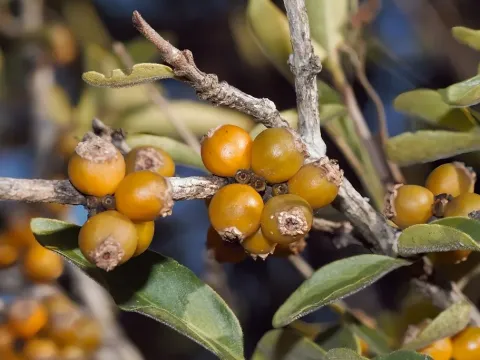
Coptosperma
Coptosperma
Coptosperma is a genus of flowering plants belonging to the family Rubiaceae. These perennial shrubs or small trees are native to tropical Africa and Madagascar, thriving in ecosystems characterized by high humidity and consistent warmth.
What the section contains


Coptosperma
As a tropical woody plant, Coptosperma requires specific microclimatic conditions to reach its potential. It generally prefers deep, well-drained soils that allow for efficient root development without the risk of waterlogging, which the genus is particularly sensitive to.
The morphology of the genus is marked by coriaceous leaves and tubular flowers, which are adaptations to the competitive environment of the tropical forest floor or secondary scrublands. Its growth rate is moderate, often synchronized with seasonal rainfall patterns in its natural habitat.
Cultivation of this genus requires a stable environment free from frost or extreme temperature fluctuations. In agricultural or botanical settings, it is essential to mimic its natural soil nutrient profile, often rich in decomposed organic matter, to support optimal vegetative growth.
While primarily of interest for botanical and ecological conservation, certain species within the genus are valued for their structural integrity. They serve as important components of local biodiversity, contributing to the health of the tropical understory in their native ranges.