
Coprosma arborea
Coprosma arborea
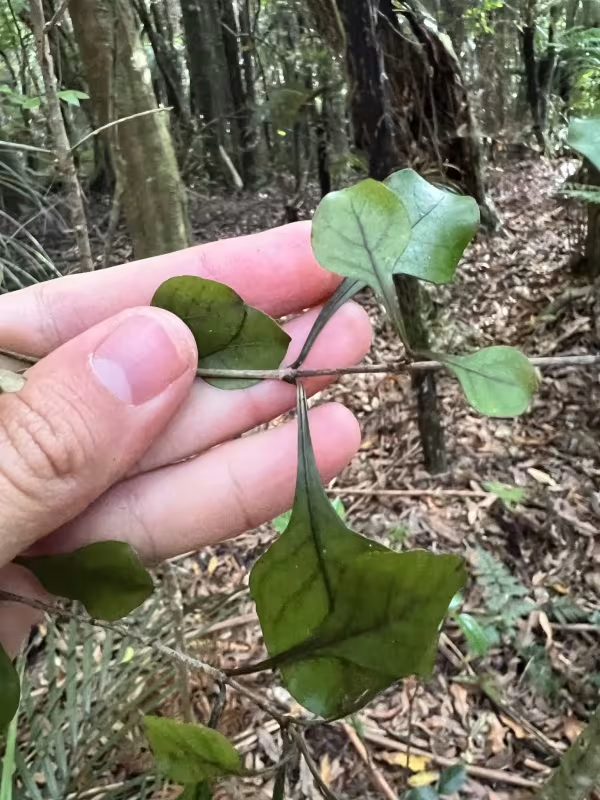
Description
Growing requirements
Coprosma arborea, commonly known as Mamangi, is an evergreen tree belonging to the Rubiaceae family. Native to New Zealand, this species is well-regarded for its distinctive glossy foliage and dense habit, often reaching significant heights in favorable conditions.
The plant thrives in fertile, well-draining soils with a neutral to slightly acidic pH. Proper soil structure is essential for the root system, as it ensures adequate oxygen levels and prevents the development of root rot in humid environments.
Climate requirements for this species involve consistent temperatures and protection from harsh, drying winds. It prefers a temperate environment where it can receive partial to full sun, though young specimens often benefit from dappled light during the hottest hours of the day.
Cultural practices include a consistent watering schedule that maintains soil moisture without leading to saturation. During the spring and summer growing season, the application of balanced fertilizer encourages robust shoot growth and healthy leaf density.
In landscape design, Coprosma arborea is used for its aesthetic value as a hedge or an architectural focal point. It is particularly valued in coastal regions of its native range due to its inherent resilience and ability to withstand moderate environmental stressors.
Main diseases and pests
The most common health issues for this culture are fungal diseases, typically exacerbated by poor ventilation and high humidity levels. Powdery mildew can affect leaves if air circulation around the canopy is insufficient.
Pest management focuses on controlling sap-sucking insects like scale and spider mites. These pests thrive in dry indoor conditions or stagnant air, requiring vigilant monitoring of the underside of leaves to detect early infestations.
Effective prevention involves regular physical cleaning of the foliage and pruning to ensure the internal canopy remains open to airflow. These practices significantly reduce the likelihood of localized pest outbreaks.
When chemical control is necessary, practitioners should utilize specialized acaricides or horticultural oils. Care must be taken to apply these substances during cooler parts of the day to avoid leaf damage and ensure effectiveness.
Integrated pest management strategies also emphasize maintaining healthy plant vigor. Well-fed and properly watered trees naturally possess higher resistance to common garden pests, reducing the need for aggressive chemical interventions.