
Coprosma linariifolia
Coprosma linariifolia
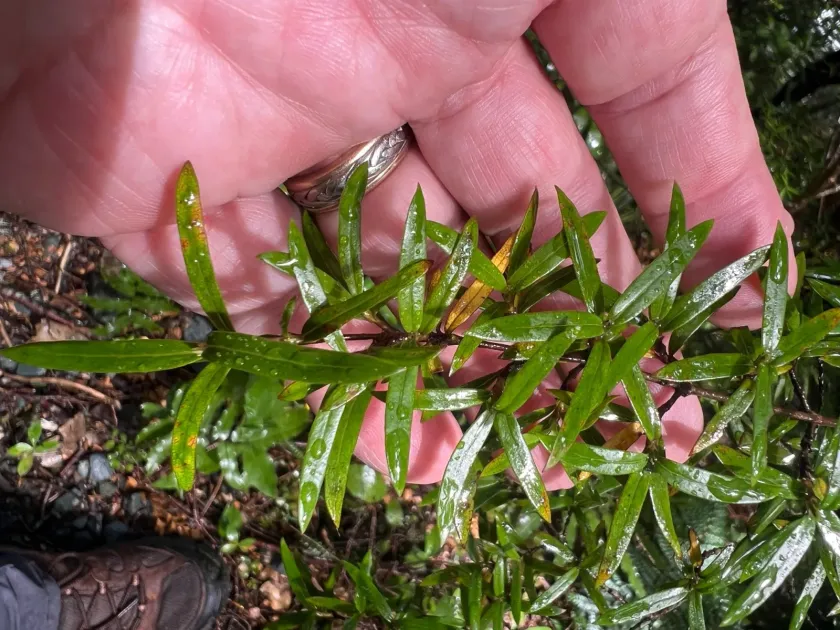
Description
Growing requirements
Coprosma linariifolia is a distinct evergreen shrub belonging to the Rubiaceae family. Native to the mountainous regions of New Zealand, this plant is well-adapted to cooler climates and diverse landscapes.
Botanically, the species is identified by its narrow, linear, and leathery leaves, which provide a unique texture compared to other members of the genus. It can grow up to 6 meters in height, resembling a slender tree.
This crop thrives in climates with consistent moisture levels. It performs best in locations that offer protection from harsh, drying winds while maintaining good air circulation to prevent fungal build-up.
The soil requirements focus on fertility and drainage. The plant prefers slightly acidic to neutral loamy soils. Waterlogging is detrimental to its root health, making drainage an essential component of site preparation.
Economically, it is primarily utilized as an ornamental plant in landscaping. Its hardiness and aesthetic form make it a popular choice for structured hedging and erosion control on slopes.
Main diseases and pests
The primary threats to Coprosma linariifolia include sap-sucking pests like scale insects and mealybugs, which can cause significant stunted growth if left untreated.
Fungal pathogens such as leaf spot diseases may appear in environments with excessive humidity and lack of sunlight, weakening the plant's structural integrity.
Management of these threats involves a combination of mechanical removal of infected parts and the targeted application of horticultural oils or systemic pesticides.
Maintaining proper plant spacing is vital, as overcrowding inhibits air movement and promotes the rapid spread of spores between individual plants.
Regular monitoring of the foliage is essential for early detection. Maintaining plant vigor through balanced fertilization also helps the crop resist minor infestations.