
Coprosma macrocarpa
Coprosma macrocarpa
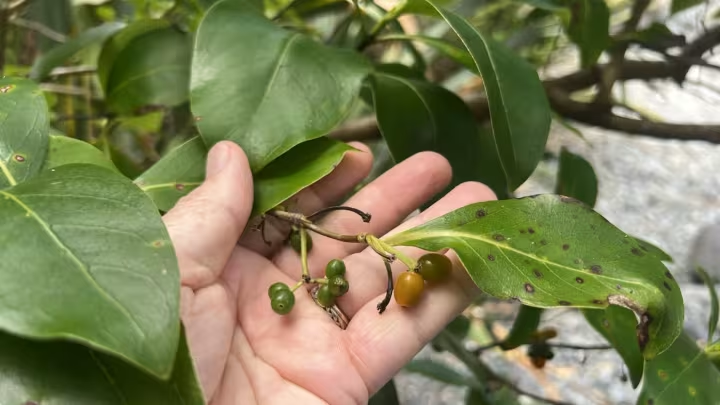
Description
Sowing dates
Coprosma macrocarpa is a notable member of the Rubiaceae family, widely recognized for its robust evergreen foliage. Propagation is primarily achieved through semi-hardwood cuttings, which ensures the consistency of characteristics compared to seed propagation.
The optimal planting time in agricultural settings is during the early spring once the threat of heavy frost has passed. This allows the root system to establish itself before the heat of the summer months.
Preparation of the planting site is crucial; the soil should be loosened to a depth of at least 30 centimeters to allow for proper root expansion. Incorporating mature compost or well-rotted manure helps improve soil structure.
When starting from seeds, ensure a sterile germination medium is used. The seeds should be kept at a temperature of approximately 20 degrees Celsius with consistent moisture levels until germination occurs.
Field establishment requires spacing the plants appropriately, usually between 1 to 2 meters apart, depending on the intended use, such as hedges or windbreaks. Proper spacing is essential for air circulation and long-term health.
Growing requirements
This species thrives in well-drained, fertile soil with a slightly acidic to neutral pH level. It is highly sensitive to waterlogged conditions, making drainage the most critical factor in soil management.
Environmental conditions should balance light and shade. While Coprosma macrocarpa can tolerate full sun in temperate coastal regions, it prefers partial shade in areas with high summer temperatures.
Watering requirements are moderate; during the first year of growth, regular irrigation is necessary. Once established, the plant exhibits good drought tolerance, though growth is faster with supplemental watering.
Fertilization should follow a seasonal schedule, applying a balanced NPK fertilizer in the early spring. Avoid excessive late-season nitrogen to prevent tender new growth that could be damaged by winter temperatures.
Maintenance pruning should be performed once the main growing season concludes. Regular thinning of the inner canopy helps to prevent the development of dead wood and encourages more vigorous outer foliage.
Main diseases and pests
Common insect pests include scale insects and mealybugs, which tend to congregate on the undersides of leaves and along stems. Systematic monitoring is the best way to prevent significant infestations.
Fungal issues, particularly root rot, are frequently encountered when drainage is insufficient. These pathogens thrive in stagnant, wet conditions, often leading to rapid plant decline if not caught early.
Powdery mildew can affect the foliage during periods of high humidity and stagnant air. Enhancing airflow through strategic pruning is the most effective cultural method to reduce this risk.
Spider mites can become a nuisance during hot, dry weather. Utilizing horticultural oils or specialized miticides is recommended if biological controls fail to manage the population.
Proper sanitation, including the removal of leaf litter and debris from beneath the shrub, is essential. Keeping the area clean significantly lowers the likelihood of soil-borne diseases spreading to healthy tissues.