
Coprosma crassifolia
Coprosma crassifolia
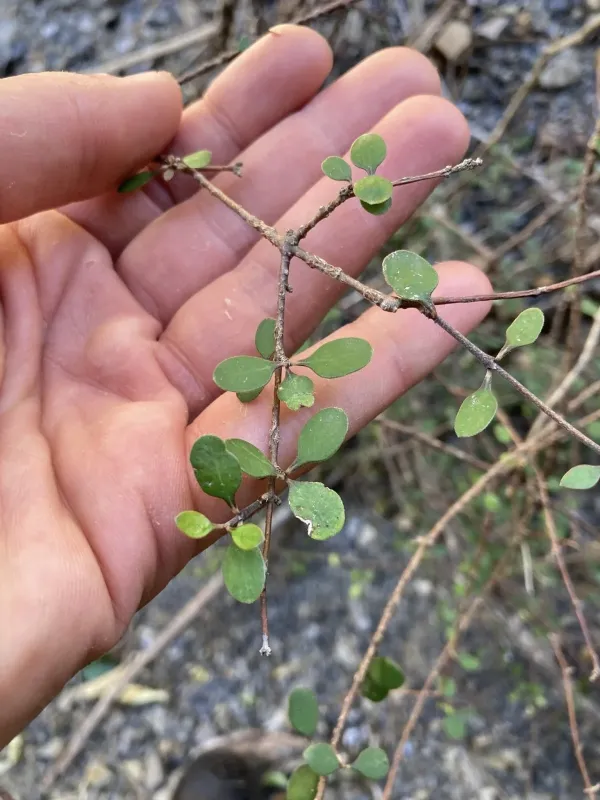
Description
Growing requirements
Coprosma crassifolia is an evergreen shrub belonging to the Rubiaceae family. This species is endemic to New Zealand, where it is found in diverse coastal and inland habitats, displaying remarkable adaptability to various environments.
The plant thrives in full sun exposure, although it can tolerate partial shade in warmer climates. It requires well-drained, fertile soil and is sensitive to waterlogged conditions, which can lead to rapid root decline in poorly prepared growing sites.
Climatically, the species prefers temperate to sub-tropical conditions. It is known for its tolerance to wind and salt spray, making it an excellent candidate for coastal landscaping projects in suitable geographic zones.
Agricultural management primarily involves pruning to maintain shape and density. Regular maintenance should include spring fertilization and keeping the root zone clear of weeds to ensure optimal nutrient absorption and vigorous foliage growth.
In terms of usage, it is highly valued as a screening plant or for low-maintenance hedges. Its dense, small-leaved structure allows for fine trimming, making it a popular choice for designers who require formal structures in their garden layouts.
Main diseases and pests
Coprosma crassifolia is generally robust, but it can be susceptible to scale insects and mealybugs if environmental stress is high. Regular inspection of the undersides of the leaves is recommended to detect and manage potential pest infestations early.