
Mahoberberis aquisargentii
Mahoberberis aquisargentii
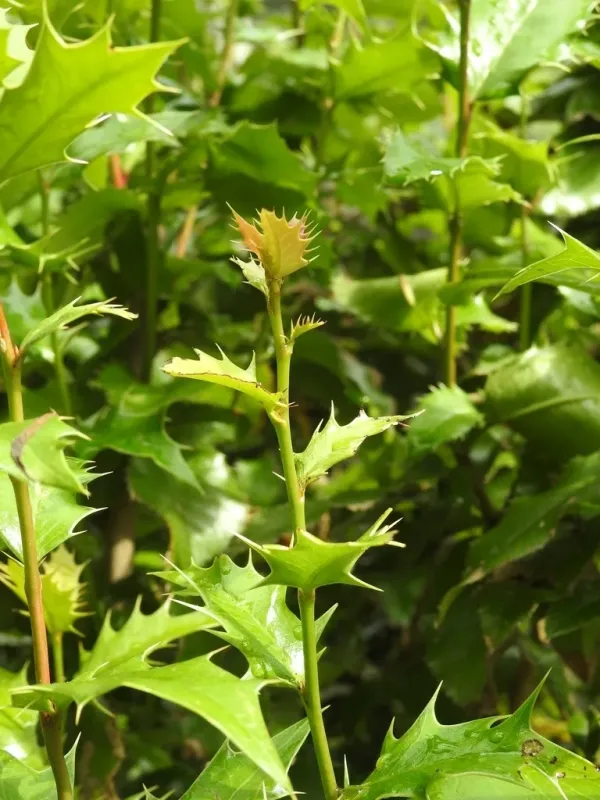
Description
Growing requirements
Mahoberberis aquisargentii is a distinctive intergeneric hybrid representing the Berberidaceae family. It is a cross between Berberis and Mahonia species, resulting in a plant that combines the hardiness of barberry with the unique leaf characteristics of mahonia.
The plant requires full sun to partial shade for optimal growth. Exposure to adequate sunlight is essential for the development of its ornamental foliage and the structural integrity of the stems, ensuring the shrub remains dense and vigorous.
Soil requirements include well-drained, fertile substrates with a neutral or slightly acidic pH. Avoid heavy, waterlogged soils as the root system of Mahoberberis is susceptible to crown rot if moisture is trapped for extended periods.
Regarding climate, this hybrid is moderately winter-hardy. It thrives in temperate regions where it is protected from cold, desiccating winter winds. Mulching the root zone during the first few years after planting is highly recommended for survival.
Management practices include pruning to maintain the desired shape and removal of dead wood. Consistent application of slow-release fertilizers during the growing season supports the plant's health and promotes steady, healthy vegetative growth.
Main diseases and pests
Powdery mildew is a common fungal threat to Mahoberberis aquisargentii, particularly in humid or overcrowded conditions. It appears as a white dusty coating on the leaves and can lead to defoliation if left untreated.
Rust diseases are also a concern, manifesting as small, colorful pustules on the foliage. To mitigate this risk, it is essential to maintain proper spacing between shrubs to allow for air circulation, which prevents the build-up of excess humidity.
Insect pests such as aphids are frequently attracted to the tender new growth. These insects can cause curling and yellowing of the leaves, weakening the overall plant structure. Early detection is key to preventing large-scale infestations.
Scale insects can occasionally infest the stems, creating localized damage. These pests are often protected by a waxy cover, making contact insecticides less effective; therefore, horticultural oils or systemic treatments are usually preferred for control.
An integrated pest management approach, including regular inspections and the removal of severely affected branches, helps in maintaining the aesthetic value and long-term health of this hybrid shrub in a garden setting.