
Coprosma pseudocuneata
Coprosma pseudocuneata
Description
Growing requirements
Coprosma pseudocuneata is an evergreen shrub belonging to the Rubiaceae family. Native to the alpine and subalpine regions of New Zealand, this plant has adapted to harsh environmental conditions, making it a hardy species in appropriate temperate zones.
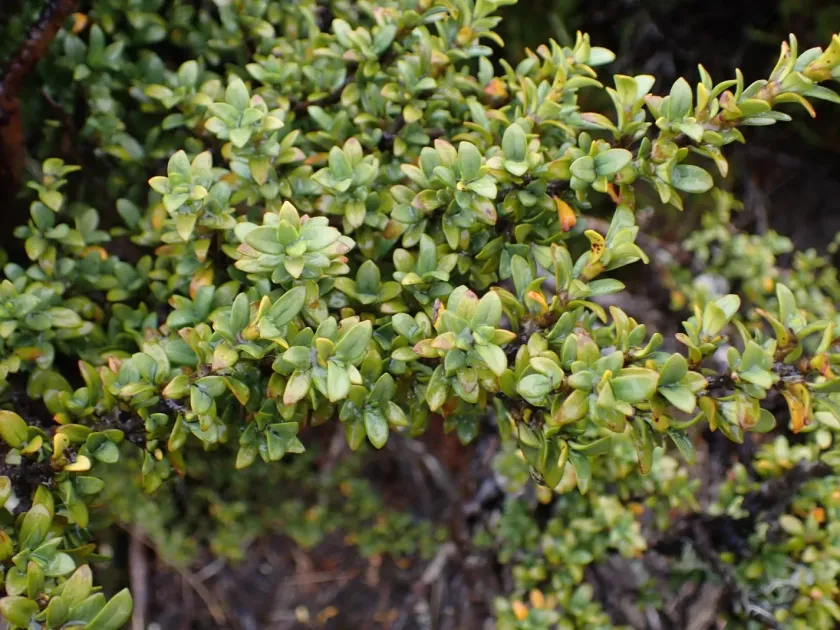
The plant is characterized by a dense, compact habit and small, leathery, glossy leaves. The foliage color often transitions from vibrant green to bronze or reddish tones, depending on the exposure to cold temperatures and sunlight intensity.
Regarding soil and climate, it thrives in well-drained, slightly acidic soils. It requires a temperate environment and prefers locations that provide protection from extreme heat, as it is naturally accustomed to the cooler, misty climate of mountain habitats.
Agrotechnical practices involve providing consistent but moderate irrigation. It is essential to avoid waterlogging, as the root system is sensitive to prolonged anaerobic conditions, which can be detrimental to the overall vigor of the shrub.
In terms of хозяйственное использование, this plant is primarily utilized in ornamental horticulture for rock gardens, low hedges, and ground cover. Its slow growth rate minimizes the need for frequent pruning, making it a low-maintenance choice for professional landscapers.
Main diseases and pests
The main threats to the health of Coprosma pseudocuneata include root rot and fungal pathogens triggered by high soil moisture levels. Ensuring excellent drainage is the primary defense against these diseases.
Common pests include scale insects and mealybugs, which can cluster on the stems and leaves. Regular monitoring and the application of horticultural oils or appropriate insecticides are recommended to maintain plant health throughout the growing season.