
Coprosma acerosa
Coprosma acerosa
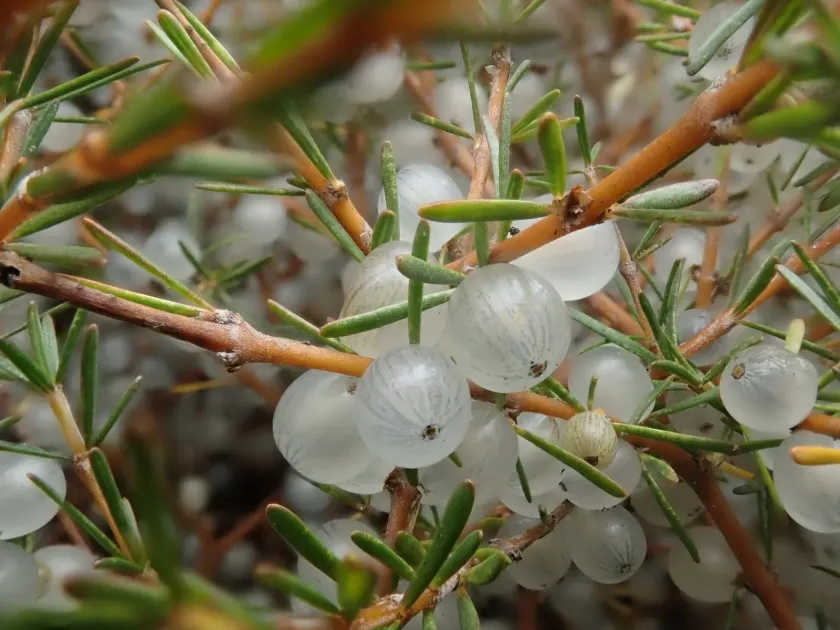
Description
Growing requirements
Coprosma acerosa, commonly known as sand coprosma, belongs to the Rubiaceae family. This evergreen shrub is native to New Zealand, where it naturally thrives in coastal sand dune environments.
The plant requires well-draining, sandy soils to prevent root issues. It is remarkably adapted to harsh conditions, including exposure to high salinity and persistent, strong coastal winds.
Cultivation success depends on providing full sun exposure. Adequate light levels are essential to maintain the dense, low-growing habit that makes this species highly desirable for ground cover.
In terms of climate, it prefers mild, maritime environments. While it has some frost tolerance, extreme cold can cause damage, making container cultivation a preferred choice in colder regions.
Watering requirements are low once the plant is established. It exhibits excellent drought resistance due to its xerophytic leaf structure, reducing the need for frequent irrigation.
Main diseases and pests
Root rot is the most significant threat to Coprosma acerosa. This condition is almost exclusively caused by overwatering or poor drainage systems that keep the soil continuously waterlogged.
Scale insects are the most common pests affecting this shrub. They often attach themselves to the stems and leaves, extracting plant sap and weakening the overall vitality of the plant.
Mealybugs may occasionally appear, particularly in sheltered or poorly ventilated areas. Regular monitoring of the foliage underside is recommended to detect early signs of infestation.
Spider mites can become a nuisance in dry, warm conditions. Increasing ambient humidity or using targeted horticultural sprays can mitigate these pest outbreaks effectively.
To maintain health, avoid mechanical damage to the bark and ensure that pruning is done with sterilized tools to prevent the entry of opportunistic fungal pathogens.