
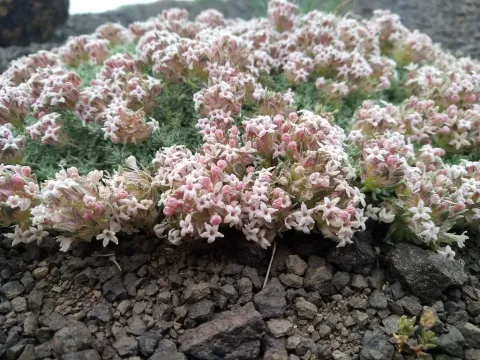
Woodruff
Asperula
Woodruff is typically sown in autumn, allowing the seeds to undergo natural winter stratification, which is essential for uniform germination in early spring. Direct sowing outdoors should be completed before the first hard frost.
What the section contains
 Arcadian woodruff
Asperula arcadiensis
Arcadian woodruff
Asperula arcadiensis
 Asperula abchasica
Asperula abchasica
Asperula abchasica
 Asperula beckiana
Asperula beckiana
Asperula beckiana
 Asperula boissieri
Asperula capillacea
Asperula capillacea
Asperula boissieri
Asperula boissieri
Asperula capillacea
Asperula capillacea
 Asperula conferta
Asperula conferta
Asperula conferta
 Asperula cristata
Asperula cristata
Asperula cristata
 Asperula glomerata
Asperula involucrata
Asperula involucrata
Asperula libanotica
Asperula libanotica
Asperula glomerata
Asperula glomerata
Asperula involucrata
Asperula involucrata
Asperula libanotica
Asperula libanotica
 Asperula muscosa
Asperula muscosa
Asperula muscosa
 Asperula neilreichii
Asperula neilreichii
Asperula neilreichii
 Asperula nitida
Asperula nitida
Asperula nitida
 Asperula perpusilla
Asperula perpusilla
Asperula perpusilla
 Asperula scoparia
Asperula scoparia
Asperula scoparia
 Asperula scutellaris
Asperula scutellaris
Asperula scutellaris
 Asperula setosa
Asperula setulosa
Asperula setulosa
Asperula setosa
Asperula setosa
Asperula setulosa
Asperula setulosa
 Asperula suberosa
Asperula suberosa
Asperula suberosa
 Asperula taurica
Asperula taurica
Asperula taurica
 Asperula taurina
Asperula taurina
Asperula taurina
 Asperula tenella
Asperula tenella
Asperula tenella
 Asperula tephrocarpa
Asperula tephrocarpa
Asperula tephrocarpa
 Blue woodruff
Asperula orientalis
Borbas' woodruff
Asperula borbasiana
Blue woodruff
Asperula orientalis
Borbas' woodruff
Asperula borbasiana
 Bristle woodruff
Asperula aristata
Bristle woodruff
Asperula aristata
 Dyer's Woodruff
Asperula tinctoria
Dyer's Woodruff
Asperula tinctoria
 Field woodruff
Asperula arvensis
Field woodruff
Asperula arvensis
 Hairy woodruff
Asperula hirta
Hairy woodruff
Asperula hirta
 Hairy woodruff
Asperula hirsuta
Hairy woodruff
Asperula hirsuta
 Purple Woodruff
Asperula purpurea
Purple Woodruff
Asperula purpurea
 Pyrenean woodruff
Asperula pyrenaica
Pyrenean woodruff
Asperula pyrenaica
 Rumelian woodruff
Asperula rumelica
Six-leaved woodruff
Asperula hexaphylla
Rumelian woodruff
Asperula rumelica
Six-leaved woodruff
Asperula hexaphylla
 Smooth woodruff
Asperula laevigata
Smooth woodruff
Asperula laevigata
 Squinancywort
Asperula cynanchica
Sweet woodruff
Asperula graveolens
Yellow woodruff
Asperula lutea
Squinancywort
Asperula cynanchica
Sweet woodruff
Asperula graveolens
Yellow woodruff
Asperula lutea
Woodruff
For spring sowing, seeds require cold stratification for at least 4 to 6 weeks in a refrigerator. Without this treatment, the germination rate will remain extremely low, as seeds need to break dormancy.
Seeds should be sown shallowly, ideally no deeper than 0.5 centimeters, as they need a slight amount of light to trigger germination. Keep the soil surface consistently moist but not waterlogged during the establishment phase.
Germination is a slow process that can take up to a month. It is vital to keep the seedbed free of weeds, as young woodruff seedlings are easily outcompeted during their initial growth stages.
Optimum spacing for agricultural cultivation is approximately 20 centimeters between rows. This spacing allows for proper airflow, reducing the risk of fungal infections later in the growing season.
Woodruff belongs to the Rubiaceae family and thrives in cool, woodland-like environments. It is a shade-tolerant perennial that acts as an excellent ground cover in suitable climates.
The plant prefers moist, humus-rich, and well-drained soils. Soil acidity should be neutral to slightly acidic, as the plant struggles to uptake nutrients efficiently in highly alkaline environments.
Avoid planting in areas with intense, direct afternoon sun, which can cause leaf scorching and wilt. Partial to full shade is the most favorable condition for healthy development and high oil content.
Consistent moisture is necessary, especially during the dry summer months. However, the soil must be well-drained, as standing water will quickly lead to root rot, the most common killer of woodruff.
Fertilization should be handled with caution; a light application of compost in early spring is usually sufficient to support vigorous growth without forcing too much leafy biomass that attracts pests.
Root rot is the most frequent agricultural threat to woodruff, caused by overly compacted soil or poor drainage. Improving soil structure with organic matter is the best preventative measure.
Leaf spots, often caused by fungi, can occur during periods of high humidity and poor ventilation. Keeping the planting bed thin and avoiding overhead watering can mitigate these risks effectively.
Slugs and snails are the primary pests that damage the succulent foliage of the plant. Using organic snail bait or copper barriers can help protect the plants from significant nocturnal feeding.
Aphid infestations can occur during dry spells, usually on the tender new shoots. Natural predators like ladybugs often control these populations, but neem oil can be used for significant outbreaks.
Monitoring the plants for signs of distress is essential. Providing the right environment—plenty of shade and moist, rich soil—is the best natural defense against most diseases and pest pressures.
Harvesting should take place just as the plant begins to bloom, which is when the concentration of coumarin—the compound responsible for its distinct scent—is at its highest point.
Cut the stems several centimeters above the ground to allow the plants to rejuvenate. Harvesting should be done on a dry day, preferably in the morning after the dew has evaporated.
Dry the harvested material in a thin layer in a cool, dark, and well-ventilated space. Avoid using heat dryers, as the volatile aromatic compounds are heat-sensitive and will dissipate quickly.
Woodruff is widely used in flavoring, herbal medicine, and as an ornamental ground cover. In medicine, it has historically been used for its mild sedative and diuretic properties.
Store the dried herb in airtight containers away from light to preserve its fragrance for up to a year. Properly dried woodruff should retain a pleasant, hay-like aroma with hints of vanilla.