
Asperula setosa
Asperula setosa
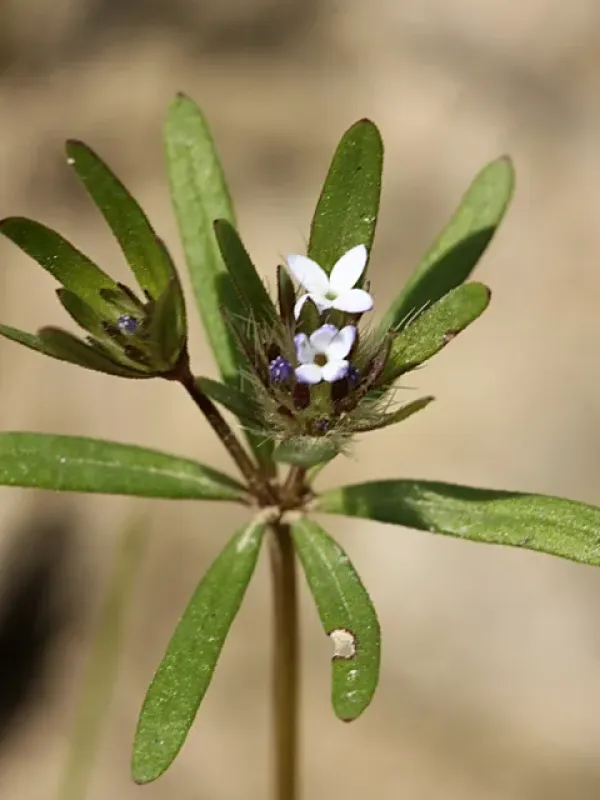
Description
Growing requirements
Asperula setosa belongs to the Rubiaceae family, a large group of plants known for their diverse biological traits. As a herbaceous perennial, this species is noted for its bristly, thin stems and dense, arranged foliage that forms a distinct growth pattern.
Originating from regions with moderate climatic conditions, this crop thrives in well-lit environments. It prefers stable climates where it can receive adequate sunlight without being exposed to prolonged, extreme heat waves that could desiccate its shallow root structure.
In terms of soil requirements, it performs best in light, well-drained loamy soils. It requires a neutral to slightly alkaline pH to ensure the optimal uptake of nutrients. Poor drainage is detrimental to its growth, as the root system is highly susceptible to hypoxia.
Cultural practices should focus on maintaining a steady moisture level. During the early stages of vegetation, it is critical to keep the soil moist but not waterlogged, as excessive water retention can severely inhibit root development and trigger stress.
Effective management includes regular monitoring of soil fertility. Applying balanced fertilizers in early spring helps to boost vegetative growth and improves the overall resilience of the plant throughout the growing season.
Main diseases and pests
The primary threats to Asperula setosa include fungal pathogens such as powdery mildew, which thrive in environments with poor air circulation and high humidity.
Root rot remains a major concern in heavy or poorly drained soils, leading to rapid decline and potential loss of the entire plant population if not addressed promptly.
Pests such as slugs and snails are frequently reported, particularly during damp weather conditions, posing a significant risk to the young, tender growth of the plant.
Integrated pest management strategies should be employed, focusing on cultural practices like row spacing and sanitation rather than relying solely on chemical treatments.
To maintain plant health, gardeners must ensure good airflow around the base of the plant, as this significantly reduces the likelihood of infection and pest colonization.