
Hairy woodruff
Asperula hirta
Description
Growing requirements
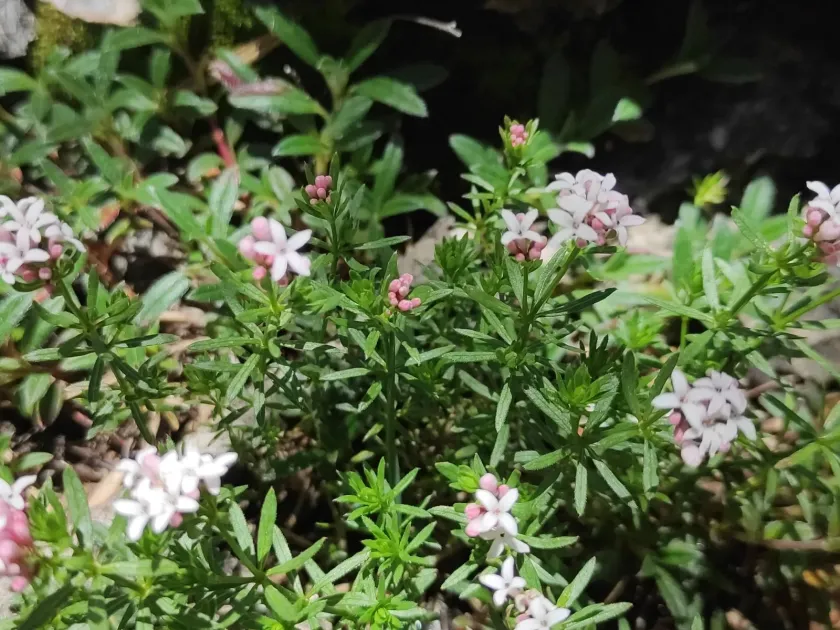
Asperula hirta, commonly known as hairy woodruff, is a perennial herbaceous plant from the Rubiaceae family. Native to the Pyrenees, it is adapted to high-altitude rocky environments, which dictates its specific agricultural needs in cultivation.
Botanically, this species is noted for its low-growing, mat-forming habit and leaves that are distinctively covered in fine hairs. These features allow it to conserve moisture and endure the challenging conditions of exposed alpine slopes where it naturally thrives.
The cultivation requirements focus heavily on soil structure. Asperula hirta needs mineral-rich, well-draining soil with a neutral to alkaline pH. Heavy clay soils are unsuitable and will likely lead to rapid root decay if not heavily amended with coarse grit or gravel.
In terms of climate, the plant prefers cool to moderate temperatures with plenty of bright, indirect sunlight. While it can withstand cold winters, it needs protection from excessive autumn and winter moisture, which is the primary cause of plant loss in managed gardens.
From an ornamental use perspective, it is highly valued in rock gardens, troughs, and as a border plant. It provides structural interest throughout the growing season and requires minimal maintenance once established, as its dense growth habit naturally suppresses weeds.
Main diseases and pests
The primary threats to Asperula hirta involve fungal pathogens linked to poor air circulation and waterlogged substrates. Careful placement in the garden to ensure rapid drying of foliage after rain is the best strategy to maintain long-term health.
Common pests such as aphids or slugs may occasionally affect the plant. Integrated pest management, focusing on manual removal or biological controls, is recommended over heavy chemical intervention to preserve the plant's delicate texture and ecological balance.