
Wendlandia
Wendlandia
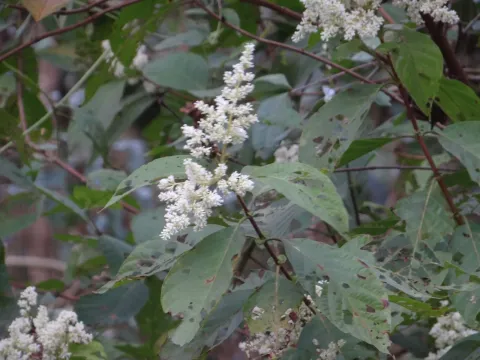
Wendlandia is a genus of evergreen shrubs and small trees belonging to the Rubiaceae family. Primarily native to tropical and subtropical Asia, these plants are known for their dense foliage and attractive clusters of small, fragrant flowers.
What the section contains


Wendlandia
For optimal growth, Wendlandia requires a bright location with filtered light. Direct tropical sun can sometimes be too harsh for younger specimens, making partial shade an ideal environment for establishing strong, healthy plants.
The soil should be nutrient-rich, well-draining, and slightly acidic to neutral. High-quality potting mixes designed for exotic plants are often suitable, provided they include components for drainage such as perlite or coarse sand to prevent waterlogging.
Temperature management is crucial as the plant is not frost-tolerant. It thrives in environments where temperatures remain stable, typically between 18 and 28 degrees Celsius, necessitating greenhouse protection in cooler geographic regions.
Watering requirements are consistent throughout the growing season. The substrate should be kept moist but never saturated, and it is vital to increase ambient humidity levels to replicate the plant's natural tropical habitat.
Common pests affecting Wendlandia include spider mites and scale insects, which often thrive in indoor conditions where air circulation might be poor or humidity levels are insufficient.
Fungal diseases, specifically root rot, present a significant risk if the drainage is inadequate. Overwatering is the most common cause of plant decline in both home and professional cultivation settings.
Powdery mildew may manifest as a white coating on the foliage if the plants are placed in stagnant air. Ensuring good airflow within the growing space is the primary preventative measure.
Regular monitoring of the leaf undersides is recommended to detect initial signs of pest colonization before they reach levels that cause visible damage to the plant tissue.
Integrated pest management, including the use of horticultural oils and soaps, is usually sufficient to handle minor infestations without the need for harsh chemicals.