
Asperula conferta
Asperula conferta
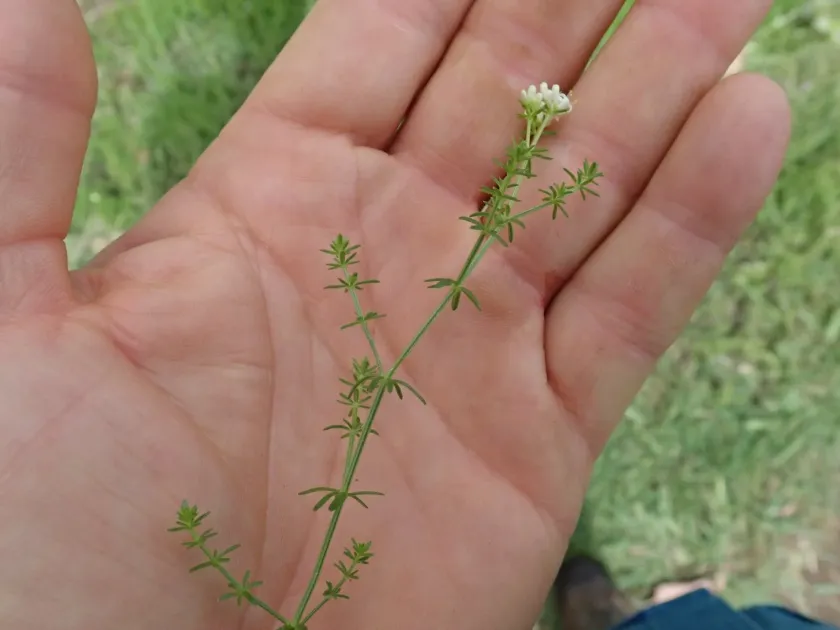
Description
Sowing dates
Asperula conferta is a perennial herb belonging to the Rubiaceae family, known for its ability to form dense mats of foliage, making it a valuable groundcover plant.
Propagation is typically performed via division of mature plants or by stem cuttings during the early spring months when the plant begins its active growth phase.
If seeds are used, they require cold stratification to break dormancy; sowing in autumn or early winter is highly recommended for optimal germination rates.
Seedbeds should be prepared with fine-textured, well-draining soil to ensure that the delicate seeds do not wash away or suffer from moisture stress during establishment.
Planting density should be carefully managed; spacing of 20 to 30 centimeters is ideal to allow the plants to spread effectively without overcrowding.
Growing requirements
Originating from regions in Australia, this species thrives in well-drained, slightly acidic to neutral soils that mimic its natural stony or sandy environment.
The plant is versatile regarding sun exposure, performing well in full sun to semi-shaded positions depending on the local climate and temperature levels.
Soil structure is paramount for Asperula conferta; the plant does not tolerate waterlogged conditions, making drainage a primary requirement for successful cultivation.
While drought-tolerant once established, supplemental irrigation is beneficial during prolonged dry spells to maintain vibrant foliage and prevent wilting.
Regular monitoring of soil pH and nutrient levels is advisable, though the plant is generally undemanding compared to more intensive agricultural crops.
Main diseases and pests
The primary threats to this plant are fungal diseases, which are usually induced by poor ventilation and excessive moisture content in the root zone.
Root rot represents the most significant danger, occurring when the soil remains too wet for extended periods, leading to decay of the stem base and root system.
Powdery mildew can manifest during periods of high humidity, particularly if the plants are spaced too closely, restricting essential airflow between stems.
Pests such as slugs and snails often find the tender, succulent foliage of Asperula conferta attractive and may require physical barriers or safe deterrents.
Maintaining a clean growing area by removing decaying plant debris and ensuring proper soil drainage effectively reduces the risk of most common infections.