
Squinancywort
Asperula cynanchica
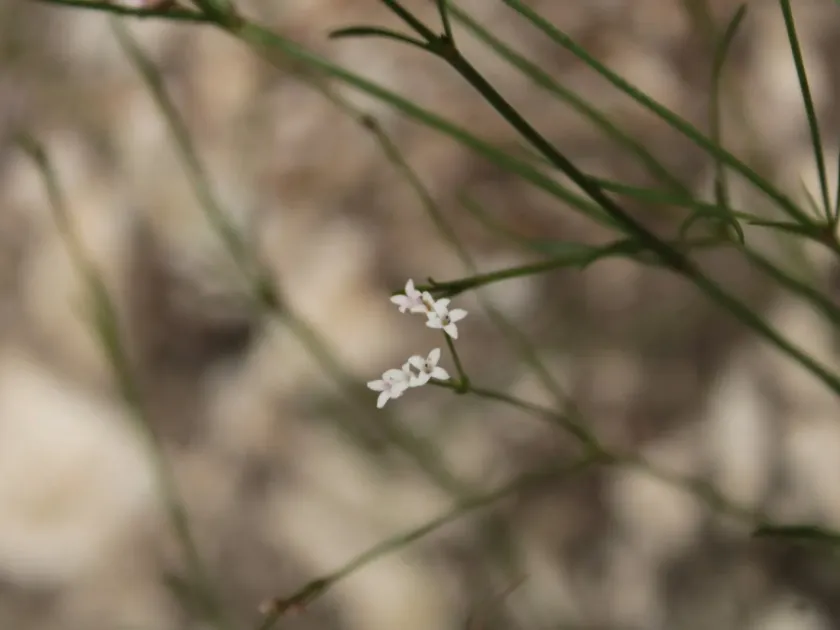
Description
Growing requirements
Squinancywort (Asperula cynanchica) is a perennial herb belonging to the Rubiaceae family. Historically, it has been recognized for its medicinal and ecological value, thriving in environments that many other crops find unsuitable.
This crop prefers calcareous, well-draining soils and open, sunny locations. It is highly valued in landscape restoration and soil conservation due to its ability to tolerate nutrient-poor substrates and arid conditions.
Agro-technologically, Asperula cynanchica requires minimal input regarding fertilizers. Excess nitrogen can lead to succulent growth that is more prone to environmental stress, so moderate fertility is preferred.
The plant demonstrates significant drought resistance once established, making it a sustainable choice for xeriscaping or low-maintenance agricultural plots. It forms a dense mat of stems, which helps protect soil integrity.
Geographically, it is widespread across Europe and Western Asia. Its ability to colonize dry grasslands makes it a valuable species for ecological projects aimed at stabilizing loose soils and promoting biodiversity.
Main diseases and pests
Pathogenic threats for Asperula cynanchica primarily involve fungal infections like downy mildew and root rot. These occur mostly during periods of high humidity or in soils with inadequate drainage capacity.
Insect pests such as leaf beetles may feed on the foliage during the peak growing season. While infestations are rarely devastating, they can impact the biomass yield if the crop is being harvested for secondary use.
Environmental stress caused by standing water is the leading cause of plant loss. Agricultural management should prioritize field leveling and drainage improvement to mitigate this constant threat.
Weed competition is significant during the establishment phase of the crop. Manual or careful mechanical weeding is necessary until the plant forms a sufficient ground cover to suppress unwanted flora.
Integrated Pest Management (IPM) strategies are recommended to maintain crop health. Using selective biological controls and maintaining clean field borders helps reduce the prevalence of both diseases and pests.