
Zanzibar coffee
Coffea zanguebariae
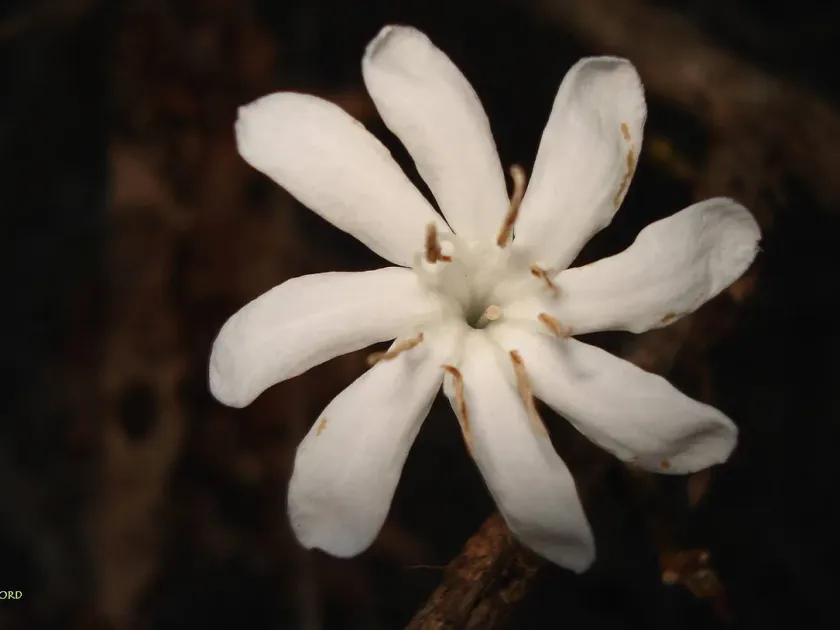
Description
Growing requirements
Zanzibar coffee (Coffea zanguebariae) is an evergreen perennial plant belonging to the Rubiaceae family. Native to the coastal regions of East Africa, specifically Tanzania and the Zanzibar archipelago, this species is distinct from commercial Arabica.
Botanically, it grows as a shrub or small tree, typically reaching heights between 2 and 6 meters. Its leaves are glossy, opposite, and elliptical, contributing to its ornamental appearance in natural habitats.
This crop thrives in a tropical climate characterized by high humidity and consistent warmth. It is naturally adapted to shaded environments, making it ideal for agroforestry systems that protect the soil from direct sun exposure.
Soil requirements involve well-drained, nutrient-rich substrates. The plant is highly sensitive to waterlogged conditions, which can lead to rapid root rot and overall plant decline in poorly managed fields.
Cultivation management emphasizes maintaining soil fertility through organic amendments and ensuring adequate spacing between plants to prevent excessive competition for nutrients and water.
Main diseases and pests
Like many species of the Coffea genus, Zanzibar coffee is prone to various agricultural pests. Key threats include the coffee berry borer and scale insects that feed on sap and weaken the tree structure.
Fungal pathogens such as coffee leaf rust (Hemileia vastatrix) remain a constant threat to plantation health. These pathogens spread rapidly under conditions of high humidity and poor ventilation.
Anthracnose is another common disease that affects both fruits and foliage, causing necrotic spots that reduce the quality and yield of the final coffee crop significantly.
Effective management includes rigorous sanitation practices, such as removing fallen leaves and pruning dead wood to eliminate potential infection reservoirs within the plantation area.
Integrated pest management strategies are recommended to mitigate damage while preserving local biodiversity and ensuring the long-term sustainability of the coffee trees.