
Arcadian woodruff
Asperula arcadiensis
Description
Growing requirements
Arcadian woodruff (Asperula arcadiensis) is a charming low-growing perennial belonging to the Rubiaceae family. Originally native to the mountainous limestone regions of Greece, it has gained popularity as an ornamental plant for rock gardens and alpine displays.
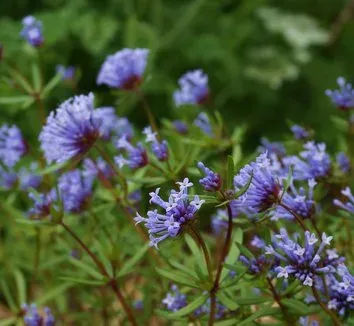
Botanically, this species is characterized by its mat-forming growth habit, featuring tiny lance-shaped leaves arranged in whorls along the stems. During late spring and early summer, the plant produces a profusion of delicate, fragrant, trumpet-shaped pink to lilac-colored flowers.
Successful cultivation of Asperula arcadiensis requires specific soil conditions, primarily an extremely well-draining, calcareous substrate. The plant is highly intolerant of waterlogged soil, which often leads to root rot; therefore, providing a rocky or sandy medium is essential.
This species thrives in sunny, open locations where it receives ample light to maintain its dense, cushion-like structure. While it is quite drought-tolerant once established, it prefers consistent but minimal moisture during its active growth period in early spring.
In terms of agricultural and horticultural use, this plant is strictly ornamental. Its ability to create low, compact mounds makes it an ideal candidate for crevices, alpine troughs, and dry stone walls, providing long-lasting aesthetic appeal with minimal maintenance needs.
Main diseases and pests
The primary threats to the health of Arcadian woodruff are fungal pathogens triggered by poor air circulation and excessive humidity. When the plant is kept in damp environments, it becomes highly susceptible to crown and root rot, which can destroy a mature colony very quickly.
Slugs and snails are the most significant pests for this species, particularly in regions with high rainfall or humid microclimates. They graze on the foliage and new growth, often leaving behind unsightly patches or completely damaging the plant's structural integrity.
Improper fertilization practices can be detrimental to the species, as it is adapted to nutrient-poor soils. Excessive nitrogen encourages leggy growth and diminishes the plant's ability to resist environmental stresses, including freezing temperatures and pathogens.
Preventative measures such as surfacing the soil with grit or gravel are highly effective. This layer helps keep the foliage dry and discourages pests, while simultaneously mimicking the plant's natural habitat on stony mountain slopes.
Regular inspection and sanitation, including the removal of dead or rotting plant material, are vital for maintaining the health of Asperula arcadiensis. By mimicking natural mountain conditions, the gardener can ensure this plant remains healthy and vibrant for many growing seasons.