
Asperula tenella
Asperula tenella
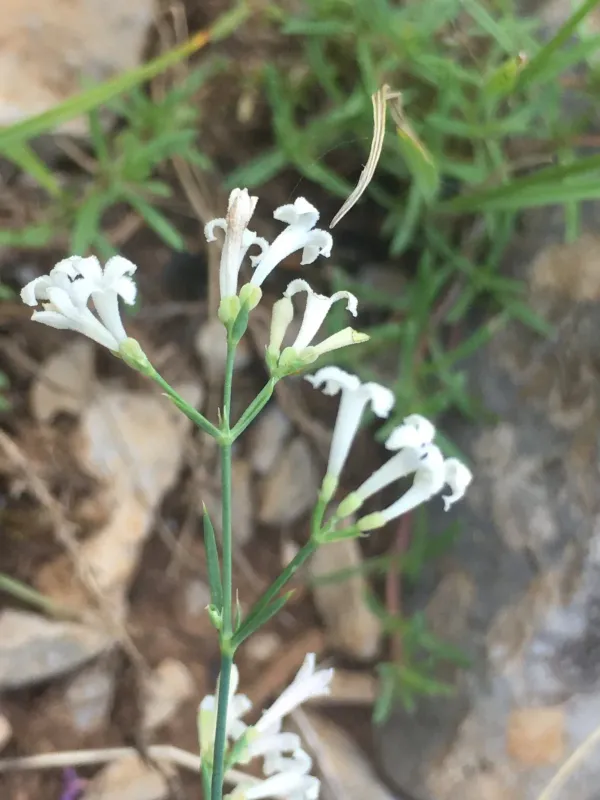
Description
Growing requirements
Asperula tenella is a perennial plant species belonging to the Rubiaceae family. Characterized by its delicate stems and specific growth patterns, it is a plant that requires precise conditions to thrive, reflecting its natural adaptation to specific mountain or sub-mountain habitats.
The crop thrives in well-drained, porous soils. It is highly sensitive to waterlogging, making it essential to ensure that the planting site has excellent drainage capabilities. A slightly alkaline or neutral soil pH is generally preferred for optimal nutrient uptake.
Regarding climate, the plant exhibits a preference for temperate conditions. While it is hardy against temperature fluctuations, it performs best in regions where moisture is consistent but not excessive during the active spring growth phase.
Agricultural practices for this species focus on site preparation. Eliminating perennial weeds prior to planting is crucial, as the slow initial growth rate of Asperula tenella makes it vulnerable to competition from more aggressive plant species.
The economic potential of this crop lies in its potential use in pharmacology and landscape design. Further research is often directed toward understanding the specialized secondary metabolites found within its tissues.
Main diseases and pests
The primary threats to the crop include various fungal pathogens that flourish in high-humidity environments. Root rot is the most common issue, often resulting from improper irrigation strategies or poorly drained field conditions.
Pest pressure from insects like aphids can inhibit healthy development. Continuous monitoring of leaf surfaces is recommended to detect infestations before they reach levels that would cause significant damage to the plant population.
Weed competition is a significant threat to Asperula tenella. Because the crop does not compete well for light and nutrients in its early stages, strict weed management must be maintained throughout the growing season.
Environmental stressors such as unseasonable frosts or extreme heat can negatively impact plant vigor. Implementing appropriate mulching techniques can help protect the roots and maintain consistent soil temperatures throughout the year.
When implementing pest control, growers should be cautious with chemical applications. Due to the sensitivity of the species, non-chemical and organic biological control methods are highly recommended to preserve the integrity of the crop.