
Asperula suberosa
Asperula suberosa
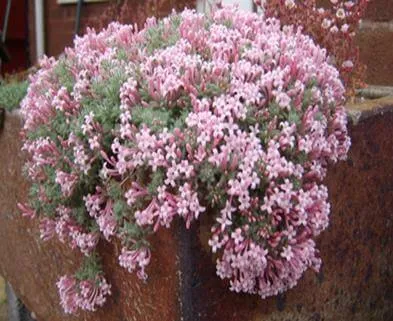
Description
Sowing dates
Asperula suberosa is typically propagated through seed sowing or division of established clumps. Sowing in late autumn allows for natural cold stratification, which significantly improves germination rates in early spring.
For greenhouse cultivation, seeds should be sown in late winter or early spring using a well-draining, sterile potting mix. Surface sow the seeds, as they require light to germinate effectively.
Maintain consistent soil moisture and humidity during the germination phase. Once seedlings develop their first true leaves, they should be pricked out into individual small pots for further growth.
Transplanting into the garden should occur after the danger of frost has passed. Due to the plant's delicate root system, handle each specimen with great care during the relocation process.
Space the plants approximately 15–20 centimeters apart to ensure adequate airflow. Proper spacing is essential to prevent overcrowding and to minimize the risks associated with stagnant humidity.
Growing requirements
Belonging to the Rubiaceae family, Asperula suberosa is a charming alpine perennial native to the mountainous regions of Greece. It is specifically adapted to life in crevices and rocky outcrops.
The primary requirement for this species is exceptional drainage. It thrives in gritty, alkaline, or neutral soil conditions and will struggle significantly in heavy, moisture-retentive clay substrates.
This plant is a sun-lover and demands a bright, open location. Growing it in partial shade often results in leggy, weak stems and a dramatic reduction in its characteristic flowering performance.
Watering should be measured and disciplined, ensuring the plant receives moisture without ever becoming waterlogged. Avoid overhead irrigation to keep the silver foliage dry and prevent decay.
While the plant is hardy in many climates, it benefits from protection in areas with harsh, freezing winters and no snow cover. A light covering of pine branches can help insulate the crown.
Main diseases and pests
Root rot is the most common issue facing this species, usually caused by overwatering or poor drainage. Infected plants often wilt rapidly and may not recover once the root system is damaged.
Pests such as aphids or spider mites can occasionally affect the foliage, particularly during hot and dry spells. Regular monitoring and spot treatments are usually sufficient to manage these infestations.
Powdery mildew may occur if the plants are situated in areas with poor air circulation or high humidity. Ensure the plants are positioned in an airy location to mitigate this risk.
Remove any dead or decaying foliage periodically to maintain plant health and prevent the development of mold. Hygiene is critical for the long-term success of this perennial.
Slugs can cause significant mechanical damage to the plant's soft stems and leaves, especially after rainfall. Implement protective barriers to keep these pests away from the center of the clump.