
Rumelian woodruff
Asperula rumelica
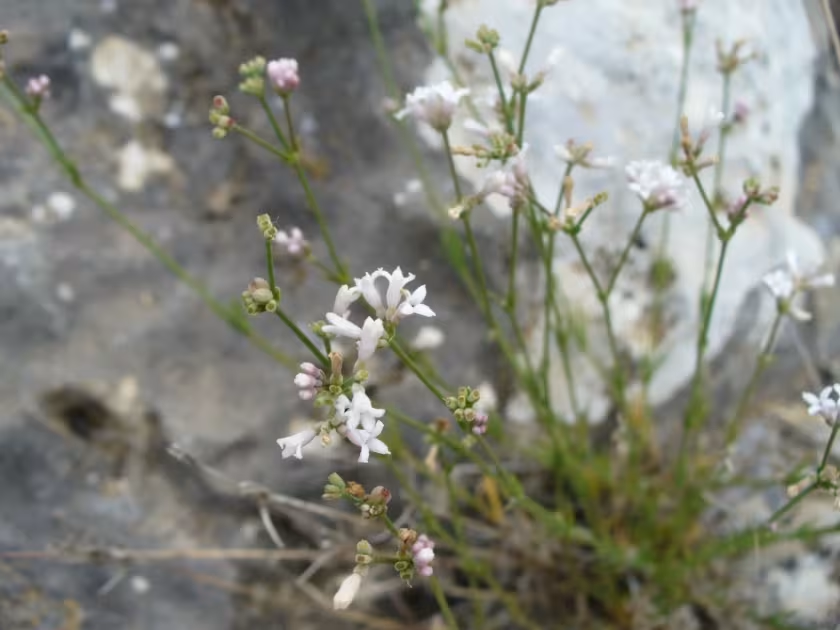
Description
Growing requirements
Rumelian woodruff (Asperula rumelica) is a perennial herbaceous plant belonging to the Rubiaceae family. This species is native to the Balkan Peninsula, naturally occurring in mountainous and rocky terrains where it has developed a robust tolerance to variable climatic conditions.
The crop thrives in well-drained, alkaline-rich soils. It is particularly well-suited to locations with limestone outcrops, requiring a substrate that prevents water stagnation while maintaining a moderate level of moisture during the peak growing season to ensure healthy foliage development.
Regarding climatic requirements, the plant prefers temperate conditions with sufficient sun exposure. While it is hardy against cold, extreme heat coupled with drought can stress the plants; therefore, regular site maintenance is necessary to optimize growth and secondary metabolite production.
Agricultural management requires careful attention to soil structure. Incorporating organic matter during the initial land preparation improves nutrient availability. Throughout the season, managing soil compaction is essential, as the fine root system of this species relies on adequate oxygenation to sustain vigorous plant growth.
The main uses for this plant include its application in traditional medicine and the herbal product industry. Due to its unique chemical profile, it is also gaining interest in landscape design as a hardy, low-maintenance ground cover that adds ecological value to dry, stony gardens.
Main diseases and pests
Common pathological threats include fungal leaf spots and root rots, which are often exacerbated by poor air circulation or over-watering. Maintaining an open canopy and ensuring proper drainage are the most effective prophylactic measures for managing these phytosanitary risks.
Pest issues are generally limited, though aphids and spider mites can occasionally affect the plant in sheltered or stagnant conditions. Integrated pest management, focusing on early detection and the use of botanical insecticides, is sufficient to maintain healthy crop yields.