
Pyrenean woodruff
Asperula pyrenaica
Description
Growing requirements
Pyrenean woodruff, scientifically known as Asperula pyrenaica, belongs to the Rubiaceae family. Native to the mountainous regions of the Pyrenees, this species is a popular choice for rock gardens due to its low-growing, mat-forming habit and aesthetic appeal.
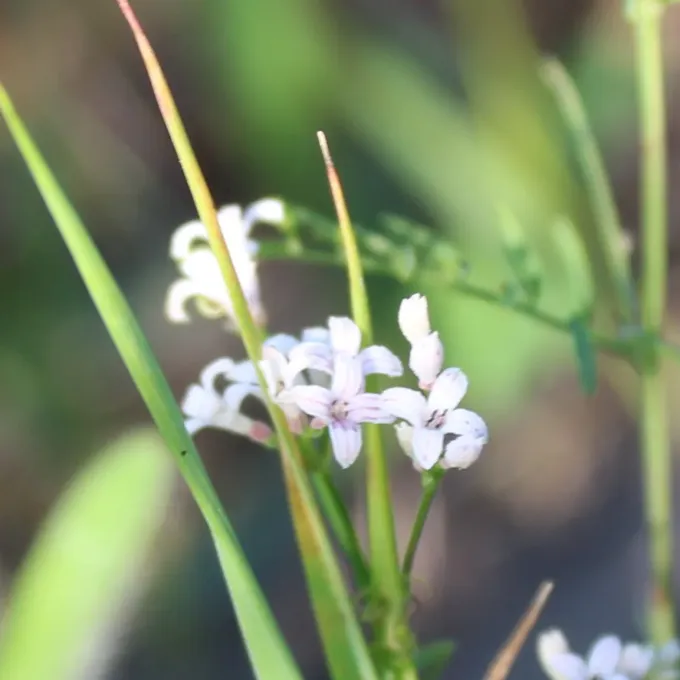
The plant features fine-textured foliage arranged in whorls along slender, semi-woody stems. During the blooming season, the foliage is obscured by clusters of small, fragrant, star-shaped flowers that typically bloom in shades of soft pink or white, creating a dense floral carpet.
Cultivation requires well-drained, gritty, or rocky soil with a neutral to slightly alkaline reaction. Drainage is the most critical factor for success, as the plant is highly susceptible to root decay if subjected to prolonged moisture or poorly aerated soil conditions.
In terms of climate, Asperula pyrenaica thrives in temperate regions with cool summers and adequate moisture. It displays significant cold hardiness, making it suitable for high-altitude gardens or cooler temperate zones where winter temperatures often drop below freezing.
The standard maintenance regime includes infrequent watering during established phases and protection from intense, direct sunlight in extremely hot climates. Weed control is essential during the plant's slow establishment phase to ensure it is not outcompeted by more vigorous vegetation.