
Asperula taurica
Asperula taurica
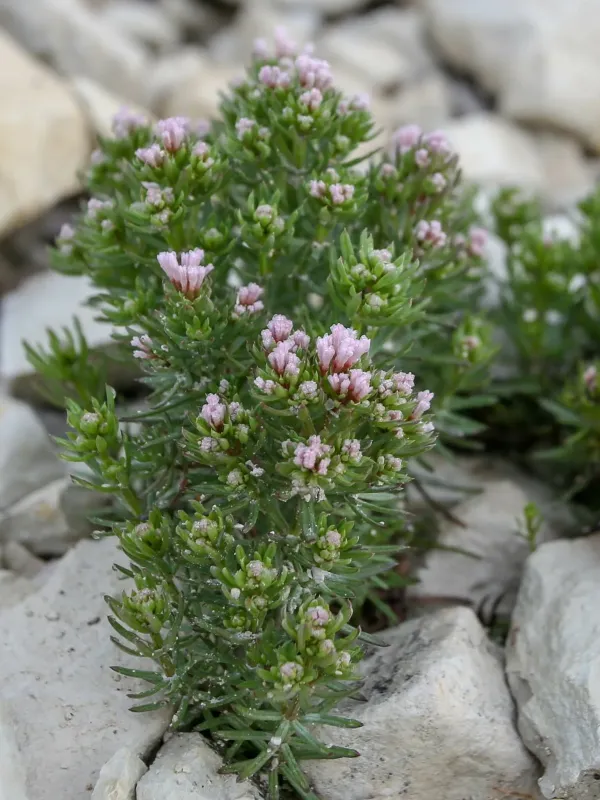
Description
Sowing dates
Asperula taurica is a perennial herb belonging to the Rubiaceae family. The plant is typically propagated through seeds, which are sown either in late autumn or early spring to allow for natural stratification.
Seeds should be planted at a shallow depth of approximately 1-2 centimeters in well-prepared, loose soil to ensure optimal emergence. Proper seedbed preparation is vital for this species.
Germination is often asynchronous, requiring consistent soil moisture levels during the early growth stages to prevent seedling desiccation and ensure a uniform stand.
Recommended row spacing is about 30-45 centimeters, providing adequate space for root system expansion and preventing competition between individual plants.
Initial weed control is essential, as the young plants grow slowly and can be easily outcompeted by aggressive weeds in the early stages of development.
Growing requirements
Asperula taurica thrives in open, sunny locations. It requires full exposure to sunlight throughout the day to promote the development of its aromatic compounds and maintain plant vigor.
The plant prefers light, well-drained soils with a neutral to slightly alkaline pH. Heavy, waterlogged soils are detrimental and frequently lead to root rot and other physiological issues.
This species is well-adapted to drought conditions, reflecting its native origins. It can survive extended periods without rainfall once the root system is firmly established in the soil.
The plant demonstrates excellent winter hardiness, capable of withstanding the temperature fluctuations typical of continental or mountainous climate zones without additional protection.
Balanced fertilization is key; excessive nitrogen applications should be avoided as they promote vegetative growth at the expense of essential oil concentration and overall plant health.
Main diseases and pests
Root rot remains the most significant threat to this crop, primarily triggered by poor soil drainage or excessive irrigation practices. Proper site selection is the first line of defense.
Aphids and various leaf-feeding insects can cause damage during the active growing season. Regular field monitoring is necessary to detect infestations before they spread significantly.
Powdery mildew may occur under conditions of high humidity or poor air circulation, necessitating the use of preventive fungicides or improved plant spacing for better airflow.
Soil-borne nematodes can pose a risk in areas with intensive cultivation history, making crop rotation an important management strategy for long-term health.
Effective management of these threats relies on an integrated approach, combining cultural practices such as spacing and sanitation with timely intervention when necessary.
Harvesting
Harvesting is performed during the peak flowering stage when the concentration of volatile oils and bioactive components in the aerial parts is at its absolute maximum.
The crop is harvested by cutting the stems at a height of 5-10 centimeters above the ground, ensuring that the crown and root system remain intact for future regrowth.
Drying must take place in a cool, shaded, and well-ventilated area to preserve the integrity of the aromatic properties and avoid degradation caused by excessive heat or light.
Properly dried material should retain its natural color and characteristic scent, which are important quality indicators for its industrial and medicinal applications.
Post-harvest handling involves removing impurities and storing the dried biomass in airtight containers to prevent moisture absorption and loss of aromatic potency.