
Asperula scutellaris
Asperula scutellaris
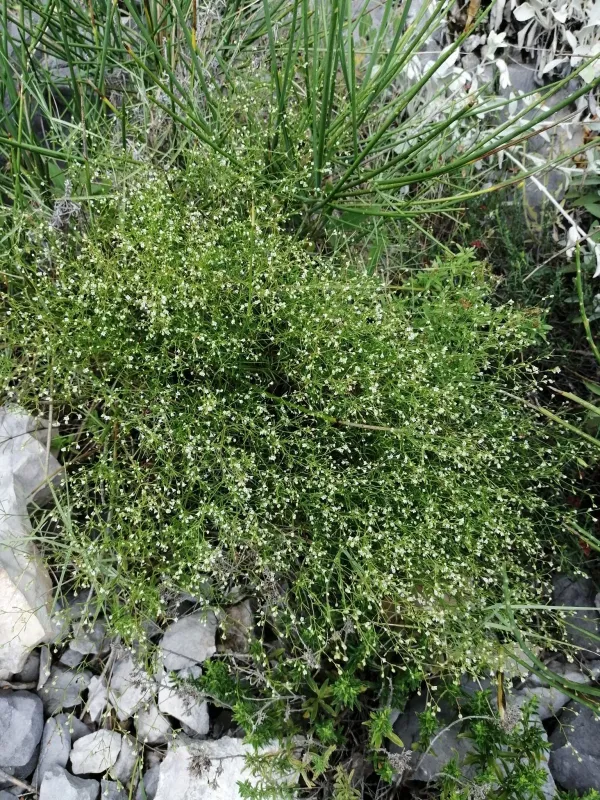
Description
Growing requirements
Asperula scutellaris is a perennial herbaceous plant belonging to the Rubiaceae family. This species is known for its specific botanical characteristics and is native to the Caucasus mountain regions, thriving in semi-shaded natural habitats.
The plant exhibits a preference for well-drained, humus-rich soil that maintains consistent moisture throughout the growing season. It performs best in forest margins where the canopy provides natural protection from intense midday sunlight.
In terms of climatic adaptation, this culture requires a temperate environment with moderate precipitation levels. It is sensitive to extreme heat and prolonged drought, which can significantly inhibit its metabolic processes and overall growth.
Agronomic practices for this species focus on site selection that replicates its natural woodland environment. Regular application of leaf mold or compost can help improve soil fertility and moisture retention, supporting healthy development.
The economic value of this plant is primarily rooted in its biochemical profile, which is of interest to the pharmaceutical and cosmetic industries. Proper cultivation management ensures the high quality and yield of the harvested material.
Main diseases and pests
Common threats to Asperula scutellaris include root rot and leaf blight caused by poor soil drainage and stagnant water. Overwatering during cooler seasons is a frequent cause of root tissue breakdown.
Slugs and snails present a significant risk to the foliage during moist spring weather. Manual removal or the use of protective barriers are effective, eco-friendly strategies to minimize plant damage and crop loss.
Powdery mildew can affect plants in poorly ventilated areas where humidity levels fluctuate significantly. Improving airflow between rows is a crucial preventive measure for maintaining overall plant health.
Aphid infestations may occur during the flowering stage, potentially weakening the plant and reducing seed set. Frequent monitoring allows for targeted intervention with biological pest control agents.
Preventive care involves managing plant density and avoiding excess nitrogen fertilizers that can attract pests. Maintaining balanced nutrition and soil structure is essential for long-term plant resilience.