
Six-leaved woodruff
Asperula hexaphylla
Description
Growing requirements
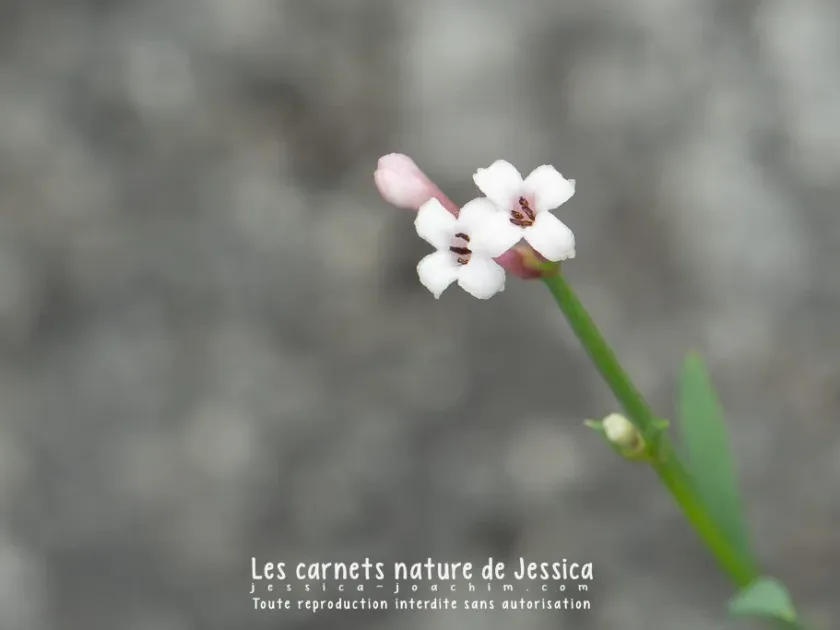
The Six-leaved woodruff (Asperula hexaphylla) is a perennial herbaceous plant belonging to the Rubiaceae family. It is recognized by its delicate, narrow leaves arranged in whorls of six, forming dense, low-growing mats that provide excellent ground cover in suitable landscapes.
Originating from mountain regions, this plant is naturally adapted to rocky terrains and calcareous soils. It possesses significant resilience to drought conditions, making it an excellent choice for low-maintenance landscaping projects in temperate climates.
Successful cultivation requires soil with exceptional drainage. The species thrives in light, sandy, or gravelly soils where moisture does not accumulate around the crown. On heavy or clay-based soils, it is essential to incorporate organic matter or grit to ensure air and water permeability.
The plant demonstrates its best performance in full sun to light shade locations. While it can tolerate some afternoon heat, it requires adequate light to maintain its compact growth habit and to promote the development of its characteristic fragrant flower clusters during the season.
In landscape design, the Six-leaved woodruff is primarily utilized for rock gardens, crevice planting, and as a border element. Its ability to colonize areas and suppress opportunistic weeds makes it a valuable asset for creating stable, long-term decorative plant communities.
Main diseases and pests
The primary threat to the Six-leaved woodruff is fungal infection, specifically root rot, induced by waterlogged conditions. Ensuring that the planting site has perfect drainage is the most effective preventative measure against these soil-borne pathogens.
Pests such as aphids and spider mites may occasionally affect the foliage, particularly during prolonged dry and hot weather. Monitoring the plants regularly helps to detect infestations early, allowing for timely intervention with horticultural oils or soaps if necessary.
Competition from aggressive weeds is a concern during the establishment phase. Because the plant grows slowly, weeding by hand around young specimens is necessary to prevent them from being overwhelmed before they form their signature dense, protective mats.
Proper air circulation is essential for the health of these plants, especially in humid environments. Avoiding overcrowded planting layouts helps to keep the foliage dry, which significantly reduces the risk of fungal diseases and ensures robust plant development.
Winter care involves ensuring the plants are not subject to excessive moisture in the dormant season. In regions with harsh, alternating freeze-thaw cycles, light mulch around the perimeter can help protect the roots and ensure vigorous growth in the coming spring.