
Blue woodruff
Asperula orientalis
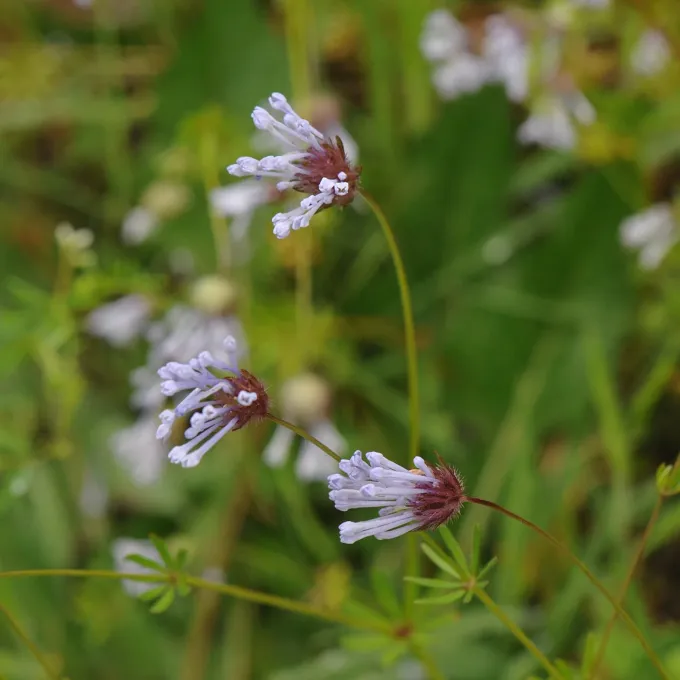
Description
Sowing dates
Blue woodruff (Asperula orientalis) is an attractive annual plant belonging to the Rubiaceae family, popular in gardens for its unique flowers.
The ideal time for sowing is in spring, typically from April to May, when the soil has warmed up sufficiently after the winter season.
Seeds should be sown directly into well-prepared garden soil at a depth of approximately 1 centimeter, maintaining adequate spacing between rows.
Germination usually takes about two to three weeks, provided that the soil remains moist and the environmental conditions are mild.
For early bloomers, seedlings can be started in containers indoors and then transplanted to the garden once the risk of frost has passed.
Growing requirements
This plant thrives best in sunny or partially shaded locations, which allows it to develop lush foliage and numerous inflorescences.
The soil should be fertile, well-draining, and rich in organic matter to provide sufficient nutrients for rapid plant growth.
While the plant is somewhat drought-tolerant, consistent watering is essential during dry spells to maintain its vibrant appearance.
Using balanced fertilizers helps promote stronger stalks and more prolific flowering throughout the entire summer season.
Ensuring proper spacing prevents competition for resources and reduces the likelihood of foliage crowding, which can affect plant health.
Main diseases and pests
The primary threats to Asperula orientalis are excessive moisture and poor soil drainage, which often lead to fungal root diseases.
Slugs and snails are the most common pests, particularly affecting young plants or foliage during periods of damp weather.
Aphids can occasionally infest the growing tips, but they are generally manageable with mild soap solutions or botanical insecticides.
Maintaining a clean garden bed by removing weeds is crucial, as they can harbor pests and inhibit the development of the woodruff.
Regular inspection of the plant base allows for early detection of any health issues, ensuring that corrective measures are taken promptly.
Harvesting
Blue woodruff is primarily valued for its ornamental role in borders and rock gardens, rather than as an agricultural crop.
Seed harvesting should be performed in late summer once the seed pods turn brown, indicating that they are fully mature.
Cut flowers are excellent for bouquets due to their interesting structure and delicate aesthetic, adding variety to floral arrangements.
Drying the stems allows for the preservation of the plant, which can then be used in dried flower crafts or botanical projects.
After the growth cycle concludes, the plant material can be turned back into the soil to improve its overall fertility and structure.