
Asperula taurina
Asperula taurina
Description
Growing requirements
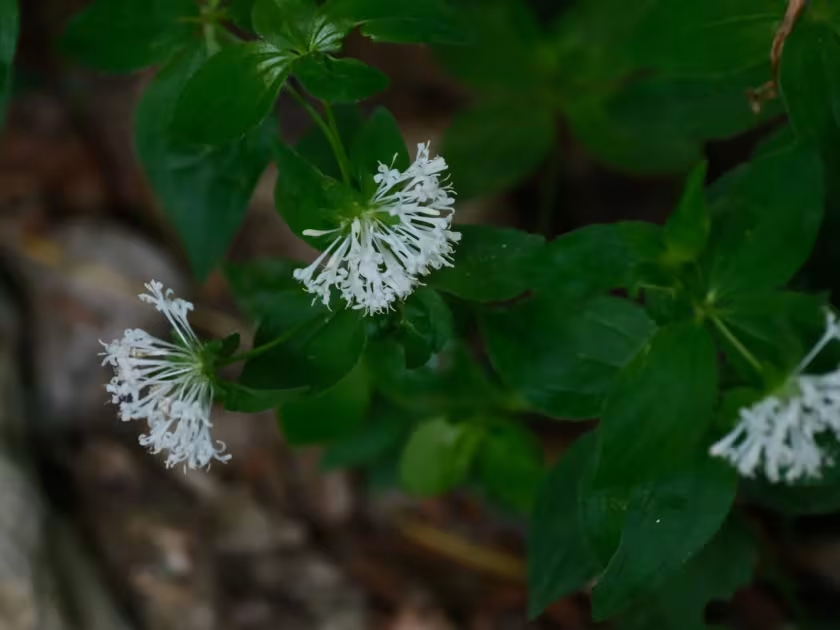
Asperula taurina, commonly known as shining woodruff, is a perennial herbaceous plant belonging to the Rubiaceae family. Originating from the forest regions of Southern and Central Europe, this species is well-adapted to cool, shaded, and moderately moist temperate environments.
Botanically, the plant is characterized by whorled leaves and clusters of white, fragrant flowers. Its growth habit is typically spreading, which allows it to form dense mats or groundcovers, making it an excellent candidate for stabilizing soil in woodland areas and shaded gardens.
The crop requires fertile, humus-rich soil with good drainage to thrive. While it prefers moist conditions, it is sensitive to waterlogging. A slightly acidic to neutral soil pH is ideal for promoting healthy root development and efficient nutrient uptake throughout the growing season.
In terms of climate, it performs best in regions with mild summers and sufficient shade. Excessive direct sunlight can cause leaf chlorosis and heat stress, reducing the plant's overall vigor. Regular irrigation is necessary during dry spells to maintain consistent soil moisture levels.
Host-plant utility is primarily centered on decorative landscaping and soil protection. Due to its dense growth, Asperula taurina is effective at preventing erosion and outcompeting invasive weeds in shaded sites. Its presence also supports local biodiversity by providing cover for soil-dwelling invertebrates.
Main diseases and pests
Powdery mildew represents a significant fungal threat to Asperula taurina, especially in dense plantings with poor air circulation. Symptoms appear as white, dusty patches on the foliage, which can eventually lead to leaf drop and stunted plant growth during the season.
Gastropods, including slugs and snails, are the most common pests affecting this species. They feed on tender young leaves and stems, leaving ragged holes and significantly reducing the plant's ornamental quality. Integrated pest management, including barriers, is recommended for effective control.
Root rot is a critical risk associated with overwatering or poorly drained soils. The infection manifests as the wilting and browning of stems. Once the roots are compromised, the recovery process is slow, making preventive soil management the most important aspect of cultivation.
Regular sanitation of the planting area is essential to minimize disease pressure. Removing dead plant matter helps prevent the overwintering of pathogens and harmful insect larvae, ensuring the plant starts the next growing season in a healthy state without the need for intensive chemical use.
Monitoring the moisture levels of the substrate remains the primary agronomic strategy for disease prevention. By ensuring that the root zone remains consistently hydrated but not saturated, growers can significantly lower the incidence of common soil-borne fungal diseases in this species.