
Asperula perpusilla
Asperula perpusilla
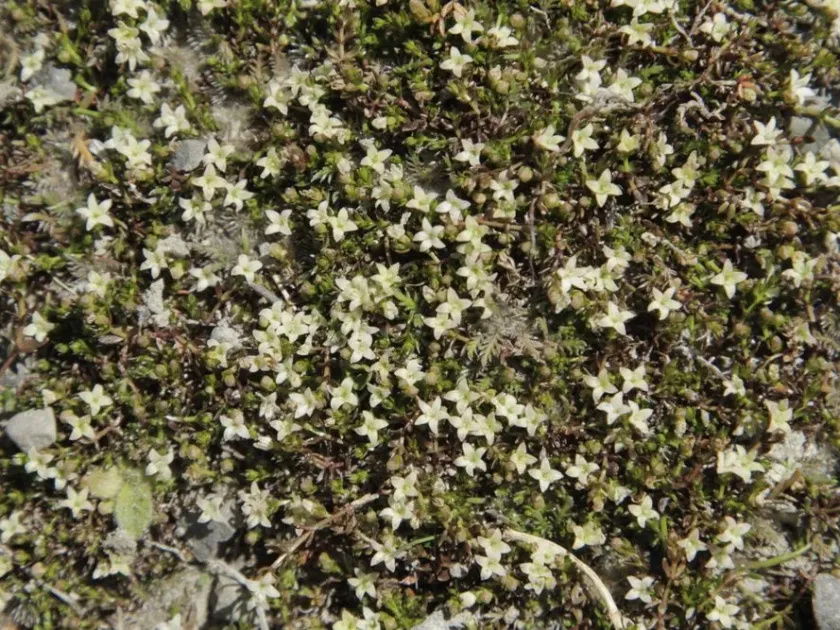
Description
Sowing dates
Asperula perpusilla is a compact perennial member of the Rubiaceae family, valued for its specific botanical structure and potential usage in niche agricultural applications.
The optimal sowing time occurs in early spring, once the danger of hard frost has passed and soil temperatures consistently reach levels suitable for germination.
Seed preparation is essential; since the seeds are tiny, they require careful handling and precise placement to ensure a uniform emergence rate across the field or bed.
Sowing should be performed at a shallow depth, typically no more than half a centimeter, to allow the small sprouts to reach the soil surface effectively without exhaustion.
Maintaining proper spacing between rows is vital for airflow, as this crop requires adequate ventilation to prevent the buildup of humidity around the stems.
Growing requirements
The plant thrives in temperate climates, showing a preference for regions with stable moisture levels and protection from extreme temperature fluctuations throughout the season.
Well-draining, slightly acidic to neutral soil textures are ideal, as the root system of Asperula perpusilla is sensitive to prolonged waterlogging and compacted substrates.
Adequate sunlight is necessary for robust growth, but the crop performs best in semi-shaded environments during peak summer months to avoid direct heat stress on the foliage.
Nutrient management involves applying light organic fertilization during the early vegetative phase to support healthy branching and ensure the vitality of the plant biomass.
Consistent moisture management is the cornerstone of successful cultivation, ensuring the soil remains damp but never saturated, which helps to optimize plant respiration.
Main diseases and pests
The primary threats to Asperula perpusilla include fungal root pathogens, which are frequently triggered by poor drainage or excessive irrigation during cool weather.
Foliar diseases such as powdery mildew can become an issue if the canopy is too dense, making regular thinning and debris removal highly recommended for disease control.
Pest pressures often involve sap-sucking insects like spider mites, which can proliferate quickly in dry conditions and cause significant damage to the delicate leaves.
Competition from weeds is a major limiting factor for this crop, as its slow early growth makes it vulnerable to being overtaken by more aggressive vegetation.
- Monitoring for pest infestations regularly
- Implementing effective drainage systems
- Applying preventive biological treatments