
Asperula boissieri
Asperula boissieri
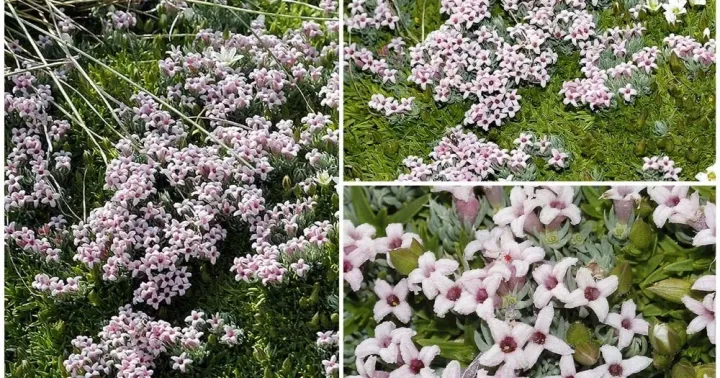
Description
Growing requirements
Asperula boissieri is a perennial herbaceous plant belonging to the Rubiaceae family. Originating from the mountainous regions of Greece, this species has evolved to thrive in harsh, rocky environments, making it an excellent candidate for alpine landscaping.
Botanically, the plant forms dense, compact cushions that remain close to the ground, rarely exceeding 15 centimeters in height. Its fine-textured foliage and delicate, fragrant flowers are highly valued for their aesthetic appeal in ornamental gardening.
The primary requirement for successful cultivation is extremely well-draining soil. Asperula boissieri is highly sensitive to moisture accumulation, so adding gravel, grit, or sand to the planting site is essential to prevent root rot and ensure healthy growth.
This species is highly drought-tolerant and thrives in full sun exposure. It is perfectly adapted to poor, calcareous soils where nutrient competition is minimal, making it an ideal choice for rocky crevices, troughs, and dry stone walls.
In terms of agricultural and horticultural utility, Asperula boissieri is grown exclusively as an ornamental specimen. Its low-maintenance nature and architectural cushion form allow it to function as a durable, year-round groundcover in dry gardens.
Main diseases and pests
The most significant threat to Asperula boissieri is fungal disease, typically triggered by excessive soil moisture or poor air circulation. Prolonged damp conditions often lead to crown and root rots, which can be fatal to the plant if not addressed early.
Slugs and snails pose a common challenge, especially during wet seasons. These pests feed on the tender foliage and stems, often causing substantial damage in a short period, requiring manual removal or the application of organic control methods.
Winter survival can be compromised by crown rot, known as "damping off" in excessive moisture. Proper elevation of the planting site and a thick layer of grit around the neck of the plant are standard practices to keep the foliage away from soil moisture.
During hot, stagnant summer periods, spider mites may become a localized problem. These tiny pests suck sap from the leaves, causing discoloration, and are best managed by maintaining good air movement and occasional misting if an infestation is detected.
Overall, keeping the plant healthy relies on providing a dry, sunny environment. When placed in conditions that mimic its native limestone cliffs, the plant exhibits natural resistance and requires minimal chemical intervention.