
Wild madder
Rubia peregrina
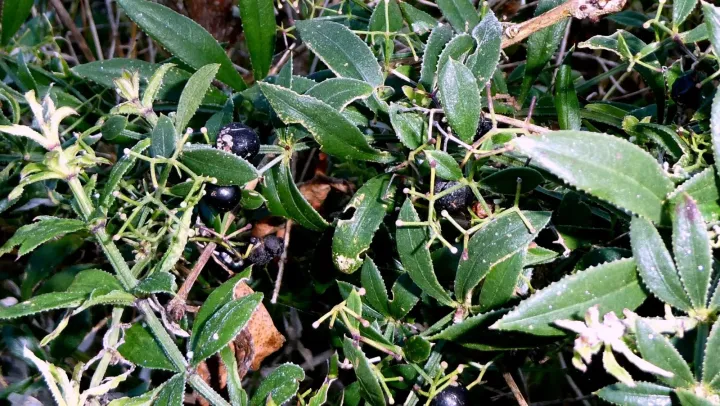
Description
Sowing dates
Wild madder Rubia peregrina is a perennial climbing plant belonging to the Rubiaceae family. The most effective way to establish a plantation is through autumn sowing, as the seeds require a period of cold stratification to break dormancy.
If sown in spring, seeds should be treated to mimic natural conditions, such as chilling in moist sand. Sowing is typically performed at a depth of 2 to 3 centimeters, ensuring the soil remains consistently moist during the germination phase.
Spacing is essential for this crop, with rows usually set at 50–60 centimeters apart. This spacing facilitates the mechanical weeding required during the first year, as the seedlings are susceptible to competition from weeds.
Initial growth is notably slow, requiring patient management. Utilizing protective covers or mulching during the first few weeks can assist in stabilizing soil moisture and temperature for emerging seedlings.
Using fresh, high-quality seeds is critical for successful crop establishment. Agronomists recommend testing germination rates prior to sowing to ensure optimal density and avoid uneven plantation coverage.
Growing requirements
Wild madder thrives in fertile, well-drained soils with a high lime content. It prefers a neutral to slightly alkaline pH, which promotes healthy root development and the accumulation of desired pigments.
Exposure to full sunlight is vital for the plant to achieve its maximum metabolic potential. Excessive shade results in elongated, weak stems and significantly reduced concentrations of active compounds within the rhizomes.
The plant requires moderate, consistent moisture throughout the growing season. While it is somewhat resilient to occasional dry spells, prolonged drought can severely stunt growth and lower the final yield.
Good soil aeration is necessary to prevent the accumulation of moisture, which is the primary cause of root diseases. Regular mechanical hoeing or loosening of the soil between rows is standard agronomic practice.
In colder regions, it is recommended to apply a protective layer of organic mulch before the arrival of winter. This practice protects the underground root system from frost damage and ensures higher survival rates.
Yield
The economic value of wild madder is concentrated in its rhizomes, which are harvested for their natural dyes and pharmaceutical properties. Yields are considered optimal from the third year of cultivation onwards.
Typical yields vary depending on site-specific factors but generally reach between 1.5 to 3 metric tons of dried root per hectare. The accumulation of dye precursors like alizarin increases significantly with the age of the roots.
Harvesting should be conducted carefully to avoid breaking the rhizomes. Mechanical harvesters or customized plows are typically used to lift the roots from depths of up to 30 centimeters without causing unnecessary damage.
Post-harvest processing involves washing the roots to remove soil debris, followed by thorough drying in ventilated facilities. Proper drying prevents fungal contamination and preserves the integrity of the bioactive compounds.
Farmers are advised to monitor the quality of the harvested roots by color and size. Mature, thick roots usually contain a higher density of pigment, which dictates the market value of the produced raw material.
Main diseases and pests
Root rot caused by waterlogging is the most significant threat to wild madder plantations. Improving drainage and controlling irrigation are the primary methods for managing this physiological and pathological risk.
Powdery mildew can affect the foliage during humid, warm weather conditions. Applying appropriate fungicides is necessary if the infection threatens to reduce the photosynthetic capacity of the plants.
Wireworms and other soil-dwelling larvae can cause severe damage to the roots, leading to plant collapse. Implementing preventative soil treatments with certified insecticides is often necessary in areas with high pest pressure.
Aphids occasionally infest the young growing tips, leading to leaf curling and stunted growth. Biological control methods are preferred, but chemical intervention may be required in severe infestation cases.
Weed management remains the most labor-intensive part of cultivation. Because madder starts slowly, persistent manual or mechanical weeding is essential to prevent weeds from outcompeting the crop in the first season.