
Asperula cristata
Asperula cristata
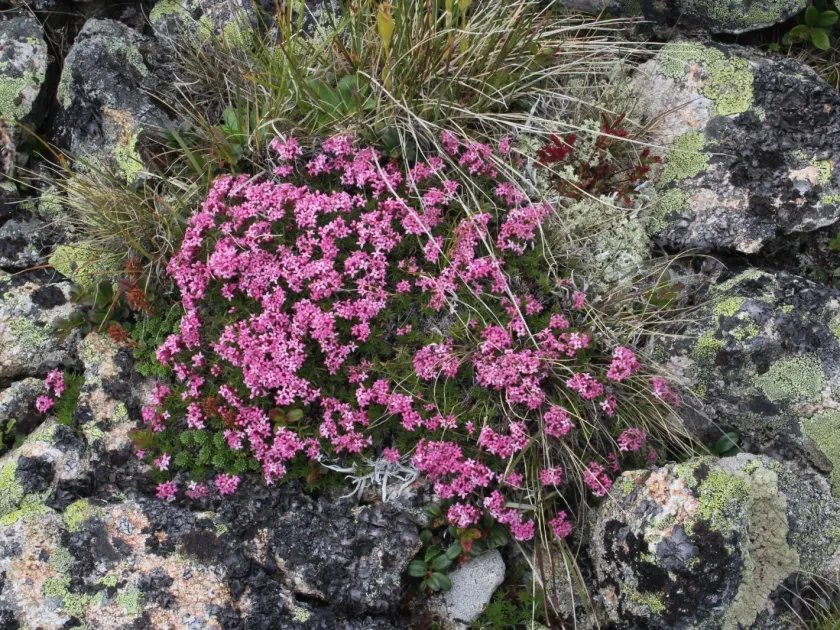
Description
Growing requirements
Asperula cristata is a perennial herbaceous plant belonging to the Rubiaceae family. Historically, it originates from mountainous and rocky terrains, where it has evolved to survive in nutrient-poor and high-calcium substrates.
The crop requires soil with excellent drainage properties to prevent root decay. It thrives in sunny locations where exposure to direct sunlight promotes the development of its rigid, serrated stems and compact structural growth.
Climate adaptation is a key strength of this species. It exhibits remarkable frost resistance, making it suitable for temperate regions where winter temperatures drop significantly below freezing point, provided there is adequate snow cover or dry soil conditions.
Soil pH plays a significant role in the plant's health. Asperula cristata prefers neutral to slightly alkaline environments. Incorporating limestone or coarse sand into the planting site can help mimic its native habitat conditions.
From a botanical standpoint, the plant is characterized by its whorled leaves and its ability to spread via rootstocks. Its structural integrity is a result of evolutionary adaptation to the harsh, windy environments of its natural distribution range.
Main diseases and pests
Root rot is the most common pathology affecting Asperula cristata, usually triggered by excessive irrigation or poor drainage. Managing water intake is essential for preventing the death of individual plants and colony collapse.
Leaf-feeding insects, including certain species of beetles, can cause localized damage. While the plant is generally robust, severe infestations may warrant the use of integrated pest management strategies to protect the foliage.
Fungal leaf spots may occur during high-humidity seasons. Increasing air circulation around the plants is an effective preventative measure to ensure the foliage remains dry and resistant to infections.
Weed competition presents a significant challenge during the establishment phase. Because Asperula cristata grows slowly at first, mechanical weeding or the use of mulch is necessary to allow the plant to gain sufficient root strength.
Slugs and snails may occasionally feed on young growth during cool, wet springs. Applying protective barriers around the perimeter of the crop area is recommended to mitigate the impact of these common garden pests.