
Asperula abchasica
Asperula abchasica
Description
Growing requirements
Asperula abchasica is a perennial herbaceous plant belonging to the Rubiaceae family. This species is an endemic plant native to the Caucasus region, specifically adapted to the mountainous conditions found in Abkhazia.
The plant thrives in well-drained, calcareous, and rocky soils. Proper aeration of the root system is essential for its survival, as the species is highly susceptible to root rot caused by stagnant water in the substrate.
In its natural habitat, it grows in partial shade, making it well-suited for temperate garden zones. It prefers a cool, humid climate and requires protection from extreme midday heat during the summer months.
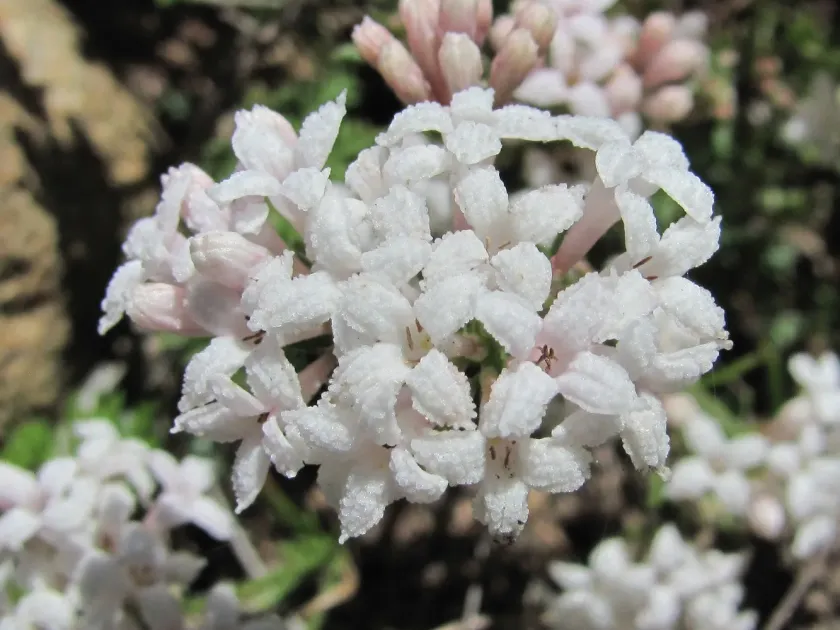
Botanically, it is characterized by fine, branched stems with whorled leaves. The flowers are small, appearing in loose terminal clusters that contribute to its aesthetic value in specialized horticultural collections.
From a functional perspective, Asperula abchasica is primarily cultivated as an ornamental groundcover. Its compact nature and preference for rocky terrain make it an excellent candidate for rock gardens and alpine-style landscaping.
Main diseases and pests
Fungal diseases related to excessive soil moisture are the most significant threats to the health and development of Asperula abchasica populations in cultivation.
Pests such as aphids and spider mites can occasionally cause damage to the foliage, particularly if the plant is grown under stressful conditions like poor airflow or drought.
Soil compaction is a major risk factor, as it restricts root expansion and decreases the availability of oxygen to the plant, leading to stunted growth.
Preventative measures include utilizing grit or coarse sand in the planting mix to ensure rapid drainage, which helps keep the crown of the plant dry.
Regular monitoring of moisture levels and providing sufficient spacing between individual specimens helps mitigate the spread of potential pathogens.